


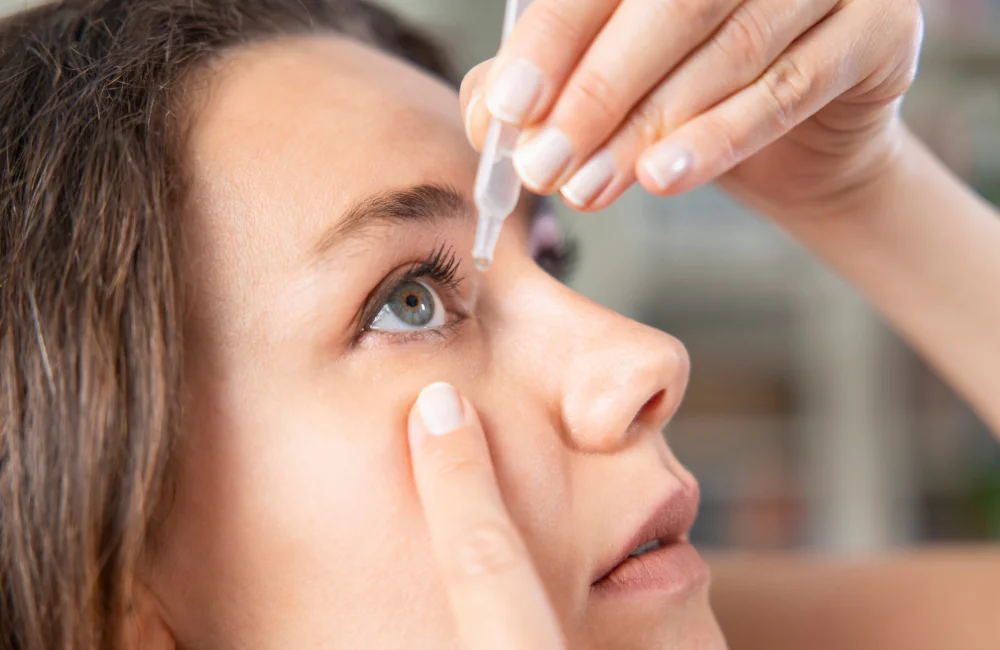
What can artificial tears be used for? They have many uses that many people may not know.




Artificial tears are one of the most popular products for people with dry eyes or eye discomfort. They are generally used to add moisture, but did you know that artificial tears have other benefits that we might not know? So what are artificial tears? And what can it be used for? Let's take a look.
What are artificial tears?
Artificial tears are:
Products developed to help increase moisture in the eyes, especially for those with
Types of Artificial Tears
Artificial tears come in various forms to meet the different needs of users. The most commonly used types of artificial tears can be divided into three main categories, as follows:
Water-based tears
Water-based artificial tears are clear, water-like liquids composed of saline solution and a small amount of thickening agent. They are suitable for people with mild to moderate dry eye symptoms, providing rapid hydration, are easy to use, do not interfere with vision, and are inexpensive. However, they may need to be applied more frequently because they evaporate faster than other types.
Gel-based artificial tears
Gel-based artificial tears have a higher viscosity and concentration than liquid tears, allowing them to adhere to the corneal surface for longer. Suitable for those with moderate to severe dry eye symptoms. Provides long-lasting hydration, reducing the frequency of instillation. Ideal for use before bedtime or when in dry environments. However, it may cause temporary blurred vision after application.
Oil-based artificial tears
Oil-based artificial tears contain oil. Helps create a protective lipid layer on the tear film, preventing evaporation. Ideal for those with malfunctioning eyelid sebaceous glands. Helps restore the natural lipid layer that coats tears. Reduces evaporation and maintains long-lasting moisture, effectively relieving irritation and burning. But it may cause temporary blurred vision.
5 Benefits of Artificial Tears
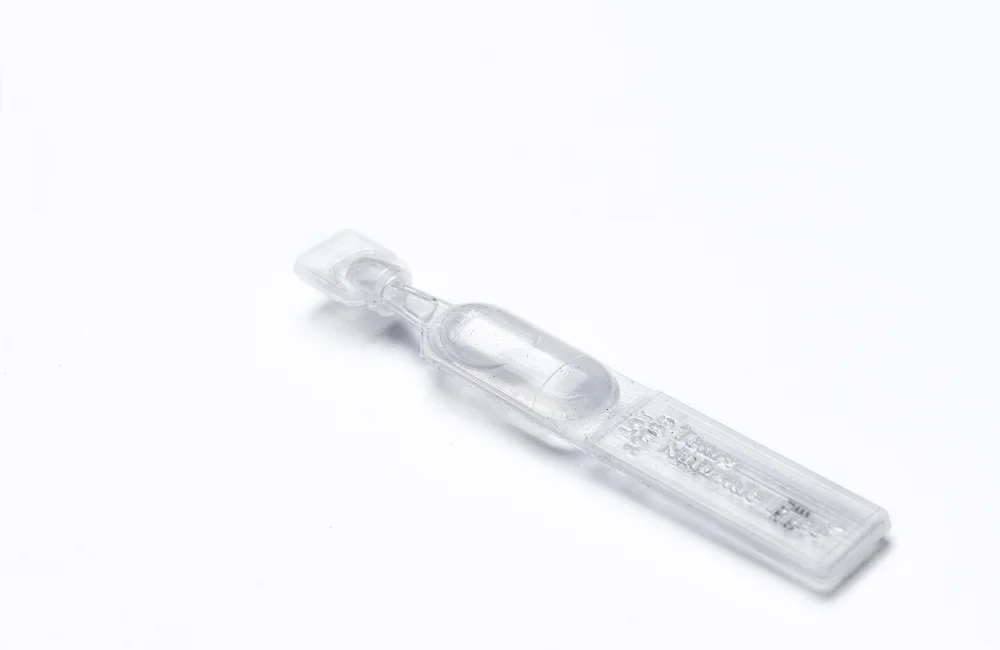
Artificial tears are not only useful for moisturizing the eyes. But there are also many properties that help relieve and prevent other eye problems effectively. Especially in people with dry eyes or those who wear contact lenses, let's see what artificial tears can be used for.
1. RelieveDry Eye Condition
Artificial tears can help relieve dry eye symptoms, including yellowing of the eyes, by moisturizing the eyes. When the eyes are adequately moisturized, it helps reduce irritation and dryness that may occur from working on a computer or being in windy and dusty environments. Artificial tears also help reduce eye strain and may prevent pain caused by dry eyes, as well as improve vision. Artificial tears are therefore an important tool for restoring balance to the eyes and reducing the risk of various problems caused by lack of moisture.
2. Reduce eye irritation
Artificial tears effectively relieve redness in the eyes when they are irritated by dust or chemicals. Artificial tears lubricate and reduce irritation caused by prolonged work or exposure to environmental chemicals. Using artificial tears helps lubricate the eyes and prevent burning or discomfort from various irritants. Artificial tears for dry eyes provide comfort to the eyes and reduce dryness that can lead to irritation.
3. Lubricate the eyeball after surgery
Artificial tears are an important part of eye recovery after surgery, such as LASIK or cataract surgery. They help relieve discomfort and lubricate the eyes during recovery. Artificial tears can reduce the risk of dry eye after surgery and help speed up and improve the healing process. In addition, artificial tears can help prevent post-surgical infection. By maintaining moisture and increasing comfort for patients.
4. Helps inhibit glaucoma symptoms.
Artificial tears can help prevent the development of glaucoma. This is especially true for those at risk from using eye drops or those with chronic dry eye. Artificial tears help lubricate and maintain the balance of the eye's natural moisture. Regular use of artificial tears can help reduce the risk of glaucoma caused by high intraocular pressure. Because maintaining eye moisture is an important factor in preventing other eye diseases related to intraocular pressure.
5. Used as artificial tearsContact Lenses
Artificial tears are also useful in helping to care for contact lens wearers. By lubricating the contact lenses and helping to reduce the risk of irritation caused by wearing contact lenses continuously for long periods. Using artificial tears in this case makes the contact lenses softer and more comfortable. It helps improve vision and reduce discomfort that may occur from wearing contact lenses, especially in people with dry eyes or those who engage in activities that require prolonged use.
Precautions for using artificial tears
There are several important precautions to take when using artificial tears. Be careful not to let the tip of the dropper touch your eye or any surface. To prevent contamination, wash your hands thoroughly before each use. Do not share artificial tears with others to prevent the spread of infection. In addition, always check the product's expiration date before use. If you experience any allergic reactions, such as irritation, burning, or redness after use, stop using immediately and consult an ophthalmologist. For contact lens wearers, check whether the artificial tears are compatible with contact lenses.
Summary of article
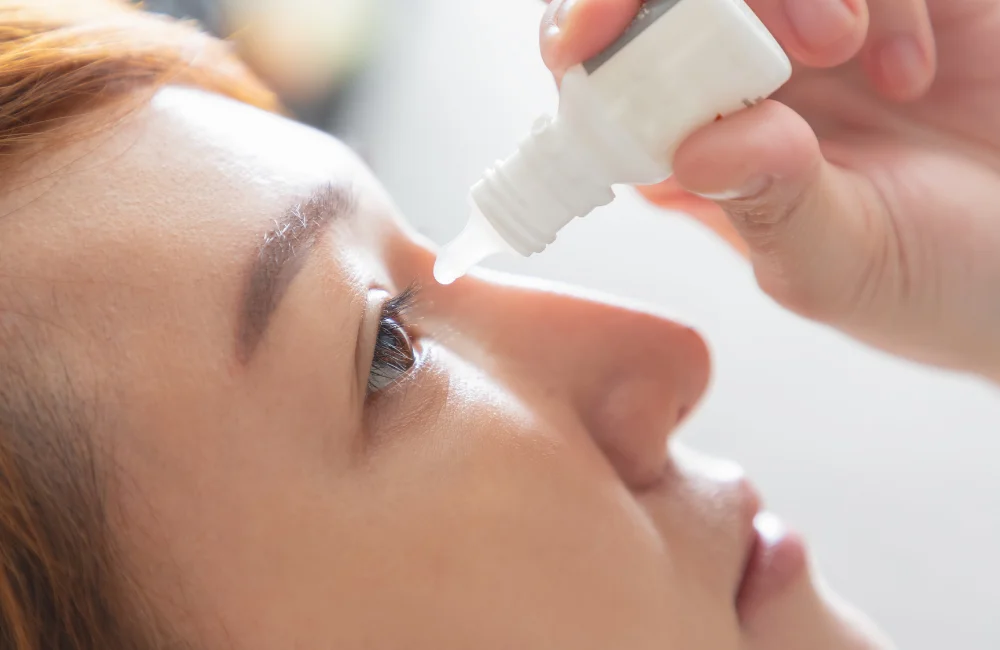
Artificial tears are a product with many benefits. Whether it's relieving dry eye symptoms, increasing moisture, reducing irritation, or helping to care for the eyes after surgery. Choosing the right artificial tears and continuously taking care of your eye health will help reduce potential problems in the future. But for those who do not have eye health problems but want to adjust the shape of their eyes to be beautiful and balanced, they can consult a specialist ophthalmologist at Sky Clinic, which specializes in eye surgery.Single eyelidbecomes a double eyelid Open your eyes Correction of drooping eyelids editWeak eye musclesConceal scars under the eyebrows. Rearrange the fat under the eyes and remove under-eye bags to receive treatment appropriate for your problem.
Source : -