


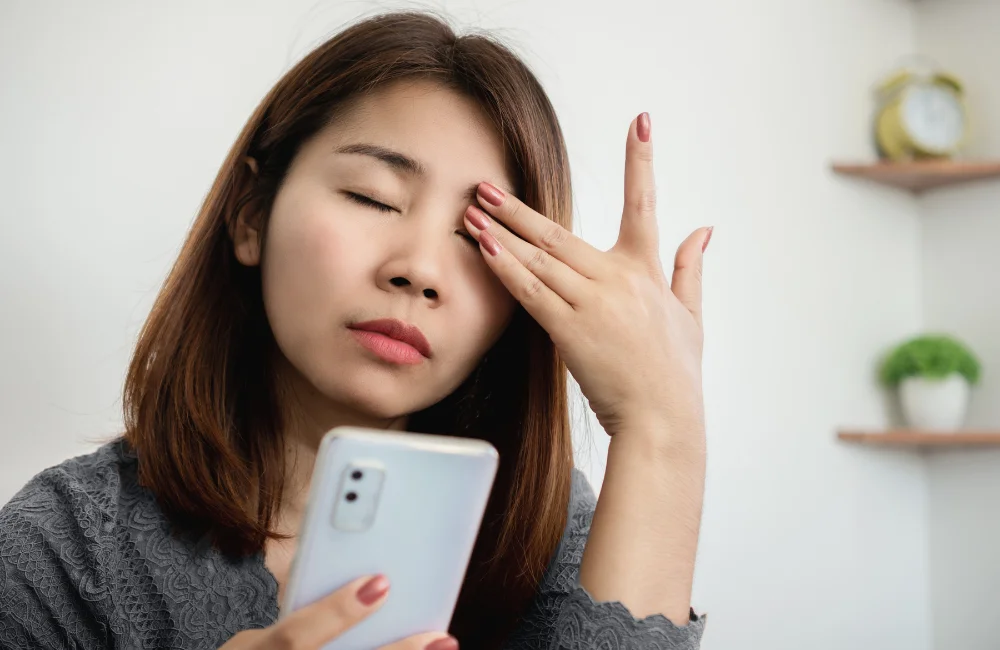
What causes dry eyes, along with tips for keeping your eyes moisturized?




Dry eye syndrome is a common eye condition today. Symptoms often begin with a burning sensation, irritation, blurred vision, or a feeling that something is in the eye. There are many possible causes of dry eyes, but the condition can often be relieved by using artificial tears to increase eye moisture, along with other treatment and management methods. Let’s take a look at the available options.
What Causes Dry Eyes?
Dry eyes occur when there is an abnormality in the tear film that nourishes and protects the eyes. This may be due to insufficient tear production or poor tear quality that is unable to adequately lubricate the eyes. Under normal conditions, tears consist of water, oils, and proteins that help protect and lubricate the ocular surface. When these components become imbalanced, dry eye symptoms can develop. In addition, dry eyes may also result from excessive tear evaporation or dysfunction of the tear-producing glands.
What Are the Symptoms of Dry Eyes?
Dry eye symptoms can present in various ways. People with dry eyes often experience burning, itching, irritation, or the sensation of having dust or a foreign body in the eye. Some individuals may develop red eyes or excessive tearing, which is the body's response in an attempt to compensate for dryness. In addition, dry eyes may cause blurred vision, especially in the evening or after prolonged visual activities. Some people may experience discomfort when blinking or difficulty opening their eyes in the morning. These symptoms often become worse in dry environments, such as air-conditioned rooms, or after staring at digital screens for extended periods.
5 Causes of Dry Eyes
Dry eye symptoms can occur for a variety of reasons, and each cause may affect tear production or tear quality differently, as follows:
1. Hormonal Changes
Changes in hormone levels are a major cause of dry eyes, especially in menopausal women. A decline in estrogen levels can affect tear production and the moisture of the eye surface. In addition, hormonal fluctuations during pregnancy, the use of oral contraceptives, or hormone replacement therapy may also contribute to dry eye symptoms. Some individuals may notice that their dry eye symptoms vary throughout their menstrual cycle, reflecting changes in hormone levels within the body.
2. Certain Medications That Can Cause Dry Eyes
Certain medications may contribute to dry eye symptoms. Common examples include antihistamines, decongestants, acne medications, muscle relaxants, blood pressure medications, and diuretics. These medications may have side effects that cause dry mouth, dry eyes, or reduced tear production. In addition, taking multiple medications simultaneously, especially among older adults, may further increase the risk of developing dry eye symptoms.
3. Dysfunction of the Meibomian Glands
The meibomian glands in the eyelids produce oils that form the outer layer of the tear film, helping to reduce tear evaporation and maintain eye moisture. When these glands do not function properly, dry eye symptoms can develop. This dysfunction may result from eyelid inflammation, blockage of the oil glands, or changes in the quality of the oil being produced. It is commonly found in individuals with sensitive skin conditions or those who suffer from chronic meibomian gland dysfunction.
4. Eyelid Abnormalities
Eyelid abnormalities are another cause of dry eye symptoms, particularly in individuals withsingle eyelids or pronounced hidden double eyelids, which may prevent effective blinking and make it difficult for tears to spread evenly across the corneal surface. In addition, individuals with weak eye muscles or incomplete eyelid closure are more likely to experience excessive tear evaporation, leading to dry eye symptoms, especially during the night or while sleeping.
5.
Excessive Eye Strain
Spending long hours looking at computer screens, smartphones, or tablets is a major cause of dry eyes and may also contribute to yellow eyes. When focusing on a screen, the blinking rate typically decreases from 15–20 blinks per minute to only 5–7 blinks per minute, causing tears to evaporate more quickly. In addition, blue light emitted from digital screens may place additional strain on the eyes, making dry eye symptoms more severe.
5 Tips to Keep Your Eyes Moisturized

When dry eye symptoms occur, proper care and symptom management are essential. There are several ways to increase eye moisture and reduce irritation, ranging from the use of artificial tears and lifestyle adjustments to advanced treatment technologies.
1. Artificial Tears
Artificial tears are a fundamental and effective treatment for relieving dry eye symptoms. They help increase moisture and lubrication in the eyes by replacing natural tears that may be lacking. Today, artificial tears are available in various forms, including eye drops and gel formulations, each offering different levels of viscosity and duration of action. The selection of artificial tears should be based on the severity of symptoms and ideally made in consultation with an eye care professional. It is also recommended to avoid products containing preservatives if long-term use is required, as they may cause eye irritation over time.
2. Avoid Continuous Contact Lens Wear
Wearing contact lenses for extended periods may worsen dry eye symptoms because contact lenses can absorb tears and reduce oxygen flow to the cornea. It is advisable to take breaks from contact lens use or switch to eyeglasses during periods of significant dryness. If contact lenses are necessary, choose lenses with a high DK/t value, which allows better oxygen transmission to the cornea, and use artificial tears specifically formulated for contact lens wearers.
3. Apply Warm Compresses
Warm compresses are a natural and effective way to relieve dry eye symptoms. The warmth helps stimulate the function of the meibomian glands in the eyelids, improving the quality of the oils they produce and reducing tear evaporation. It is recommended to apply a warm compress once or twice daily for 5–10 minutes each time, using a clean cloth soaked in warm water and wrung out until damp. Gentle massage along the eyelid margins afterward may further improve gland function.
4. Intense Pulsed Light (IPL) Therapy
IPL (Intense Pulsed Light) therapy is an innovative treatment that can effectively improve dry eye symptoms, particularly in individuals with meibomian gland dysfunction. IPL helps reduce eyelid inflammation, stimulate blood circulation, and restore healthy gland function, resulting in better-quality oil production. Each treatment session typically takes 15–20 minutes, and most patients require 3–4 sessions spaced 2–4 weeks apart for optimal results.
5. Eyelid Corrective Surgery
For individuals with hidden double eyelids or other eyelid abnormalities, corrective eyelid surgery or droopy eyelid correction may be an appropriate treatment option for dry eye symptoms. The surgeon will evaluate the eyelid abnormality and develop a personalized eye correction surgical plan tailored to each individual. The procedure helps improve eyelid positioning, allowing the eyelids to close more completely, reducing tear evaporation, and promoting more effective blinking. Most patients can return to their normal daily activities within a few days after surgery.
Article Summary

Dry eye symptoms are a common problem in everyday life, and in many cases they are caused by our own habits and lifestyle. Therefore, proper self-care and behavioral adjustments are important for managing and preventing dry eyes. For those seeking an eye surgery clinic to address eyelid abnormalities, you may consult the experienced ophthalmologists at Sky Clinic, who specialize in double eyelid surgery, inner corner eye opening surgery, correction of weak eyelid muscles, drowsy eyes, hidden-incision brow lift techniques, under-eye fat repositioning, and under-eye bag removal, ensuring that you receive the most suitable treatment for your individual concerns.
Source : -