


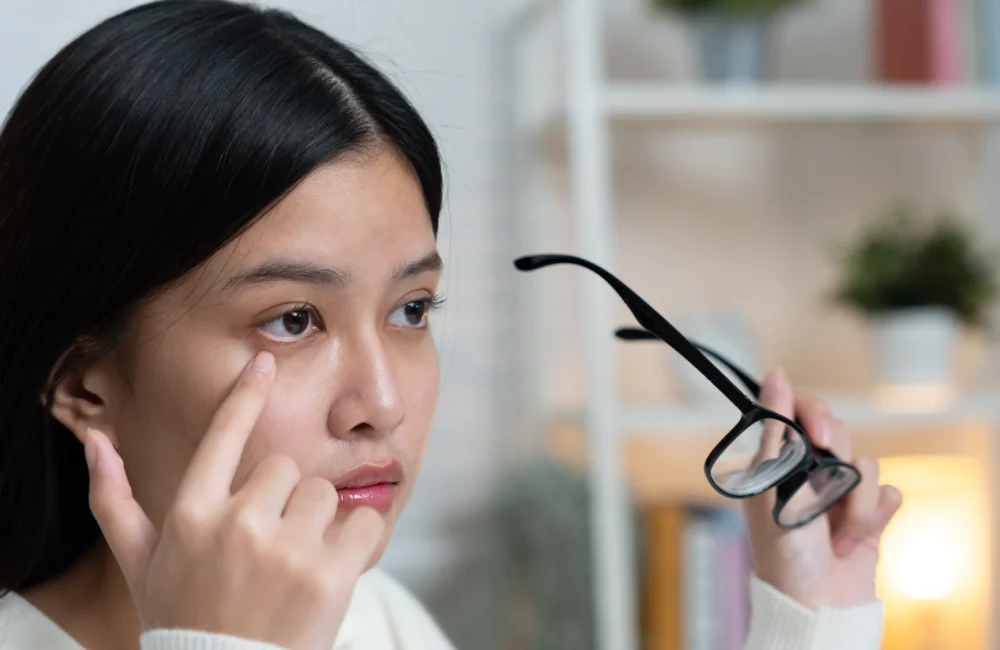
Sleepy Eyes: Understanding Causes and Cosmetic Solutions




The term sleepy eyes is commonly used to describe eyes that appear heavy, tired, or partially closed, often making you look perpetually drowsy. While a temporary bout of sleepy eyes might just be the result of a late night, for many people, the droopy appearance is a permanent feature. This blog post will help you understand the difference between temporary eye fatigue and structural drooping, explore the causes behind persistent sleepy eyes, and outline effective solutions.
What Are Sleepy Eyes?
The phrase sleepy eyes refers to the appearance of the eye area looking tired or droopy. It's often used interchangeably with "eye strain" or "tired eyes." In a medical context, it can indicate a few different conditions, making it important to determine if the cause is temporary fatigue or a deeper structural issue.
| Feature | Temporary Fatigue | Structural Drooping (Ptosis) |
|---|---|---|
Cause |
Intense eye use, lack of sleep, and environmental factors. | Weak or detached eyelid lifting muscle, nerve issues, or age-related skin and fat changes. |
| Duration | Improves with rest, better sleep, or a change in activity. | Persistent, does not go away with rest. |
| Appearance | Eyes feel heavy, may be red, irritated, or dry. | The upper eyelid hangs lower than normal, covering part of the iris. |
Causes of Temporary Eye Fatigue
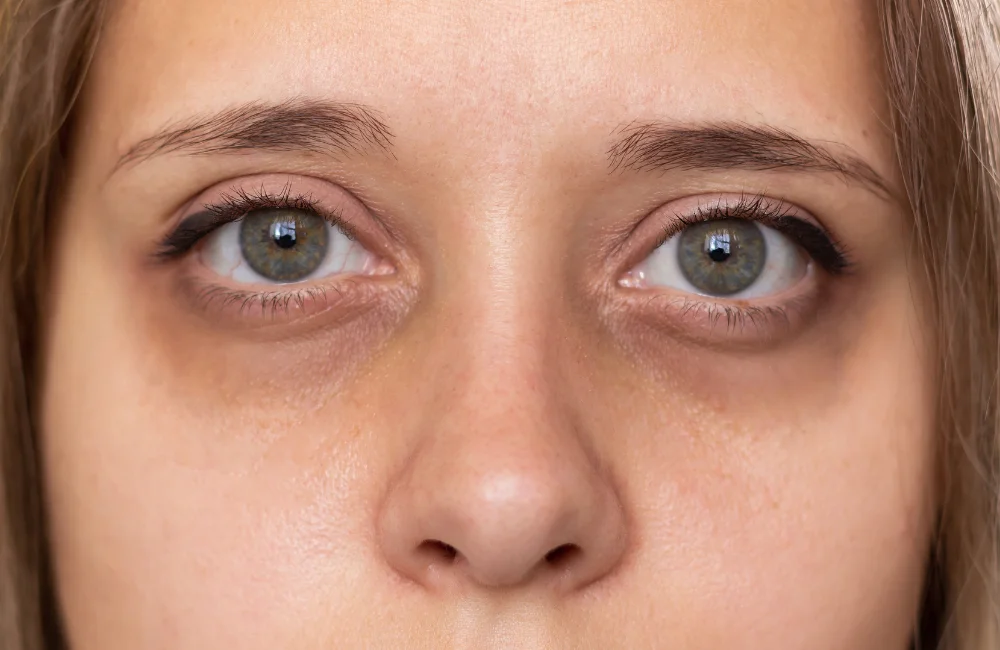
Temporary sleepy eyes are generally a symptom of overworking your eyes or not giving them the rest and lubrication they need.
- Screen Time: Staring at computers or smartphones for long periods, which can lead to reduced blinking and dry, irritated eyes. This can cause significant eye strain and make your eyes look heavy.
- Lack of Sleep: Insufficient sleep prevents your eyes from receiving the essential nutrients they need to recover, leading to a perpetually tired or sleepy look.
- Allergies: Eye irritation from allergens can cause swelling and puffiness, contributing to the appearance of sleepy eyes.
When to See a Specialist
If your sleepy eyes persist even after a good night's rest and reducing screen time, the cause may be structural, such as Ptosis. Ptosis is the medical term for a droopy upper eyelid caused by a problem with the levator muscle that lifts the eyelid. Key signs of structural sleepy eyes (Ptosis) include one or both upper eyelids covering the colored part of your eye (iris) more than usual. This is not just a cosmetic concern; it can sometimes block your field of vision. If you notice a persistent droop, it’s time to consult a specialist.
The Best Surgical Solutions for Permanent Sleepy Eyes
For structural issues that cause persistent sleepy eyes and cannot be fixed with lifestyle changes, surgical procedures offer the most permanent and effective solutions.
1. Ptosis Repair Surgery (Shortening the Eyelid Muscle)
Ptosis repair is the specific procedure for correcting sleepy eyes caused by a weak or stretched levator muscle. The surgeon carefully tightens the muscle to raise the eyelid margin to its proper position. This corrects the functional problem, which immediately addresses the sleepy eyes' appearance and can improve your vision. This is often the necessary procedure for true, muscle-related Ptosis.
2. Upper Blepharoplasty (Removing Excess Skin)
Upper blepharoplasty, or eyelid surgery, addresses sleepy eyes caused primarily by excess skin and/or fat in the upper eyelid area. Over time, the skin loses elasticity and can hang down, creating a heavy hooding effect that makes the eyes look tired. The surgeon removes this excess tissue to refresh the eye area, providing a more open and youthful appearance. This is a common and effective way to resolve sleepy eyes due to aging. If you are looking for double eyelid surgery in Bangkok, this procedure may also be combined with creating a defined eyelid crease.
3. Brow Lift (Lifting a Heavy, Drooping Brow)
Sometimes, the appearance of sleepy eyes is caused by the eyebrow position dropping down over the orbital rim. When the brow descends, it pushes the upper eyelid skin downward, creating an aged and tired look. A brow lift repositions the brow to a higher, more youthful level, alleviating the pressure on the upper eyelid and significantly reducing the appearance of sleepy eyes. It is often performed in combination with other eyelid procedures for comprehensive rejuvenation.
Non-Surgical and Minimally Invasive Options
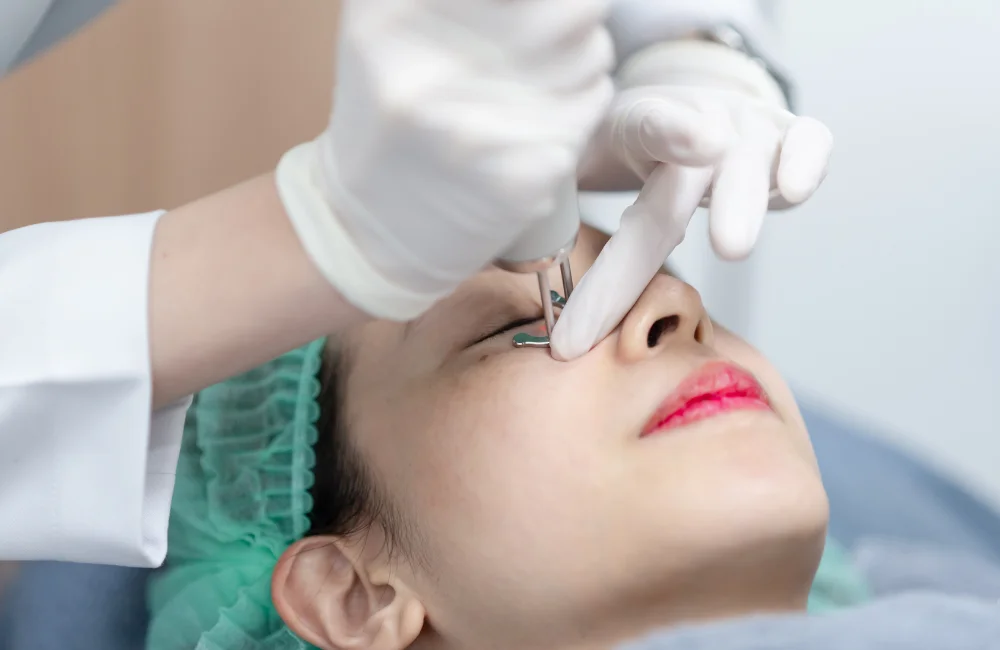
For those with mild signs of fatigue or who are not yet ready for surgery, there are non-surgical treatments that can temporarily improve the appearance of sleepy eyes by providing subtle lift and volume restoration.
1. Botox for Brow Lift and Wrinkle Reduction
Botox injections can be used strategically to relax specific muscles that pull the eyebrows down. By carefully injecting Botox into certain areas, the brow can achieve a temporary, subtle lift, slightly opening up the eye area and making the sleepy eyes look less pronounced. It also effectively smooths common wrinkles like crow's feet and frown lines that contribute to a tired appearance.
2. Dermal Fillers for Tear Trough and Volume Loss
Volume loss under the eyes (the tear trough area) can create dark shadows and hollows that intensify the appearance of sleepy eyes. Hyaluronic acid dermal fillers can be skillfully injected into the tear trough to restore lost volume, minimize shadowing, and brighten the area, offering a refreshed and less tired appearance that complements other treatments for sleepy eyes.
Lifestyle Remedies to Prevent Eye Fatigue
While they won't fix structural drooping, these simple habits can prevent and reduce the temporary fatigue that contributes to the sleepy eyes feeling:
- Follow the 20-20-20 Rule: Every 20 minutes, look at an object 20 feet away for 20 seconds to rest your eye muscles during prolonged focus.
- Prioritize Quality Sleep: Aim for 7–9 hours of sleep nightly, as sleep is the primary way your eyes repair and refresh.
- Manage Screen Settings: Adjust the contrast and text size on digital devices to reduce strain. Ensure your screen is positioned slightly below eye level.
- Stay Hydrated and Blink: Use artificial tears to keep eyes lubricated and remind yourself to blink frequently, especially when using digital screens.
FAQs: Quick Answers Before Your Consultation
1. Can lack of sleep cause permanent structural changes?
No, lack of sleep causes temporary fatigue but does not cause permanent structural changes like Ptosis.
2. How long does Ptosis surgery take to recover?
Most patients can return to light activities and work within a week, but full swelling and bruising can take several weeks to resolve.
3. Are sleepy eyes genetic?
Yes, many forms of sleepy eyes, especially structural Ptosis, can be congenital or have a strong genetic component.
Summary
The term sleepy eyes covers a spectrum of conditions, from easily solved eye fatigue to complex structural issues like Ptosis. Understanding the cause, whether it's too much screen time or a weak eyelid muscle, is the first step toward effective treatment. For a permanent solution to persistent sleepy eyes, surgical procedures like Ptosis repair and blepharoplasty offer remarkable results. If you are struggling with a constantly tired appearance, schedule a consultation with the specialists at Sky Clinic to discuss the best path forward for achieving a brighter, more alert look.
Source : -