


What is Ptosis? Symptoms, Causes & Treatment




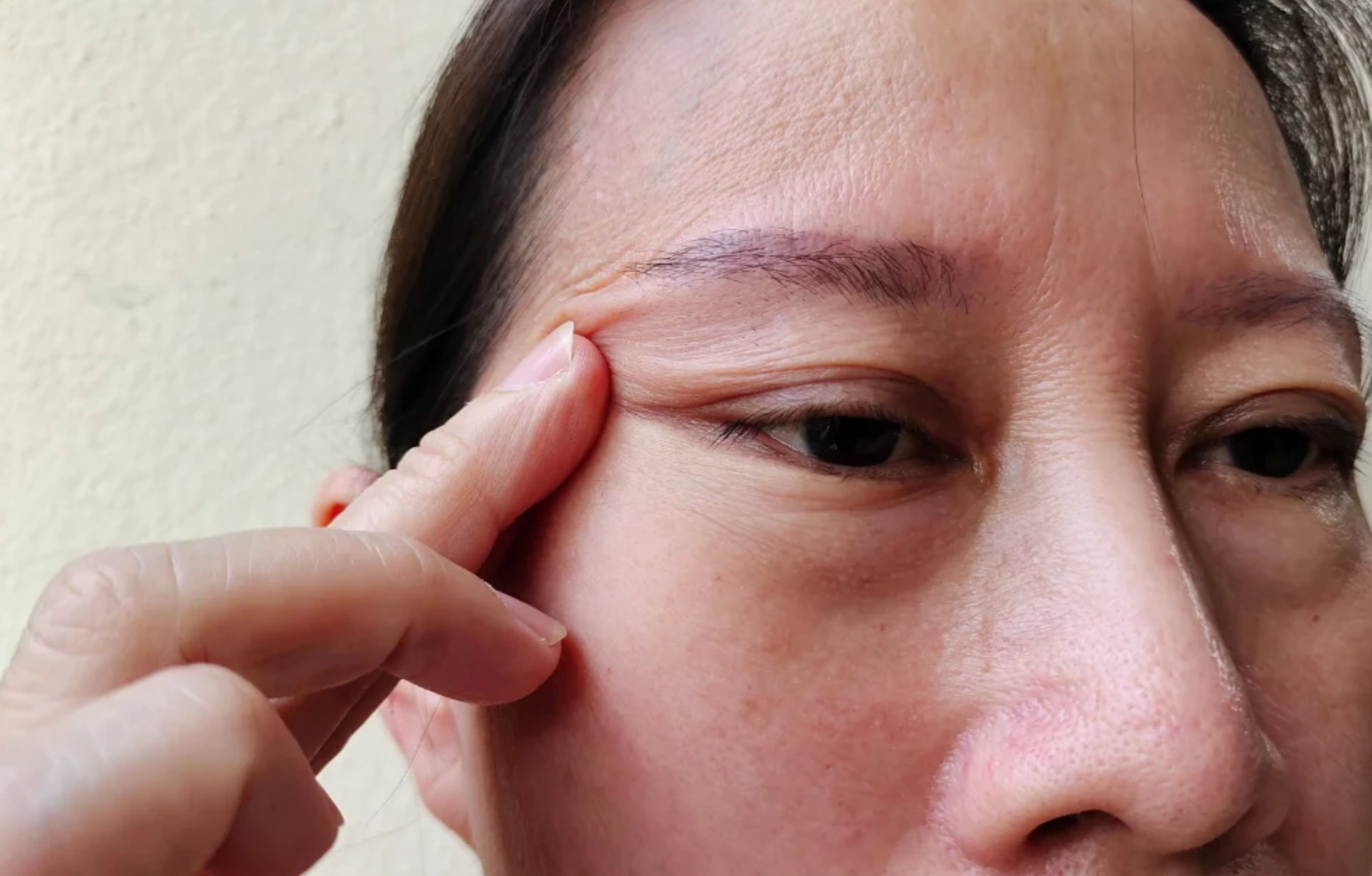
Ptosis, which may be caused by weakness of the eyelid muscle, causes the upper eyelid to droop over the pupil, making the eyes look less bright and giving a sleepy appearance. In addition to affecting confidence, it may also affect vision in the long term. However, there is no need to worry, as this condition can be corrected with eyelid surgery, helping you achieve brighter-looking eyes and regain confidence in your daily life.
What Is Ptosis?
Ptosis is a condition in which the levator muscle responsible for lifting the eyelid, or the nerve that controls this muscle, does not function properly. This causes the upper eyelid to droop and prevents the eyes from opening fully.
What Causes Ptosis?
The main causes of ptosis can vary and include several factors. These include genetic factors that can cause congenital ptosis, aging, which can cause the eyelid muscles to weaken and become fatigued, and autoimmune conditions, such as Myasthenia Gravis (MG). Other causes include complications from surgery or injuries to the eyelids, as well as daily habits such as prolonged mobile phone or other screen use, which may cause the eyes to remain partially closed. Regular contact lens use and vigorous eye rubbing can also be contributing factors to ptosis.
Severity Levels of Ptosis
Ptosis can be divided into 3 levels based on the severity of the condition, as follows:
1. Mild Ptosis
At this level, the lower edge of the upper eyelid can be seen to droop more than 1 mm over the pupil in young adults, or more than 2 mm in older adults. Although this is an early stage, it is important to monitor the condition closely and consult a doctor to help prevent it from becoming more severe in the future.
2. Moderate Ptosis
At the moderate level, the upper eyelid droops over the pupil and partially covers the iris, beginning to affect vision and confidence in everyday life. People with symptoms at this level should consider treatment to help prevent the condition from worsening and affecting their quality of life.
3. Severe Ptosis
At the severe level, the upper eyelid droops and covers more than half of the iris, making the eyes appear partially closed. This can significantly affect vision and daily activities. People with symptoms at this level should receive treatment promptly to help prevent potential complications.
What Are the Symptoms of Ptosis?
The symptoms of ptosis can be observed in several ways, such as droopy eyelids, sleepy-looking eyes, and a constantly tired appearance. Even when trying to open their eyes fully, the eyelids may still not open widely. Some people may also have multiple eyelid folds, and the eyelid muscles may not function normally. In addition, the drooping eyelid may cover part of the pupil, which can affect vision and, in some cases, may lead to amblyopia, also known as lazy eye. Some people may also unconsciously tense their forehead muscles to lift their eyebrows and eyelids, which may eventually lead to forehead wrinkles.
Is Ptosis Dangerous?
Ptosis is a condition that may not be immediately life-threatening, but it can significantly affect quality of life, especially confidence, as the two eyes may appear uneven, making you look sleepy or tired all the time. In addition, it can affect the eyes, causing blurred vision and potentially causing further visual problems if not treated in time.

What Are the Treatment Options for Ptosis?
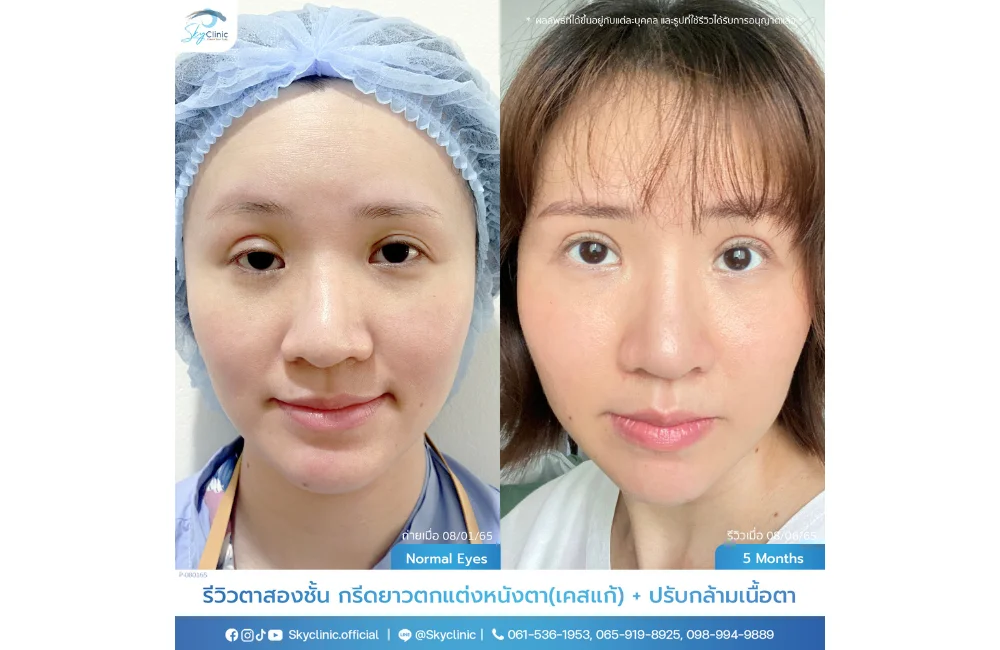
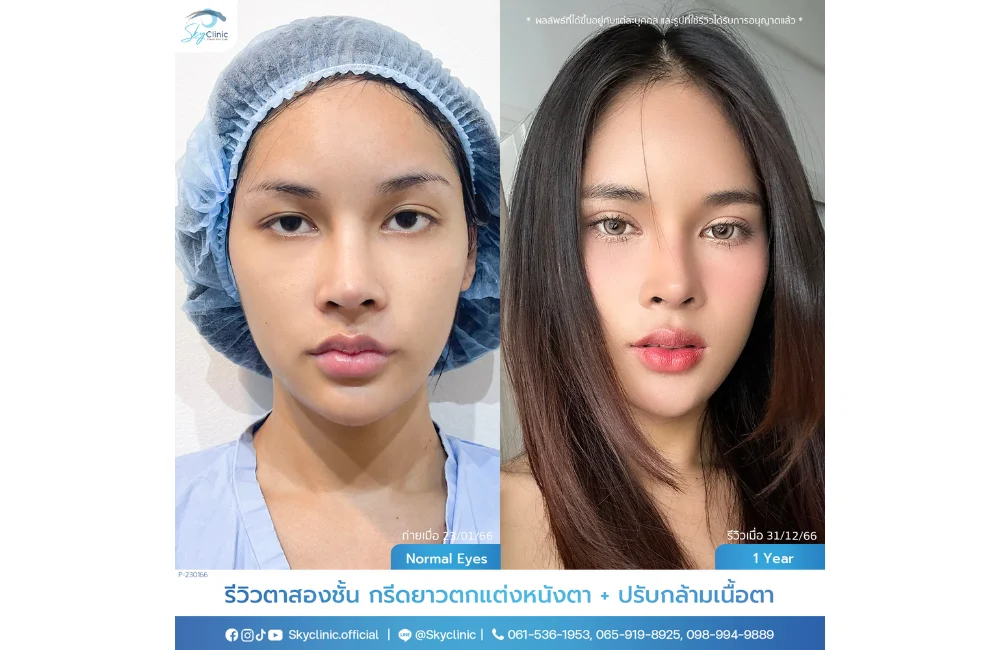
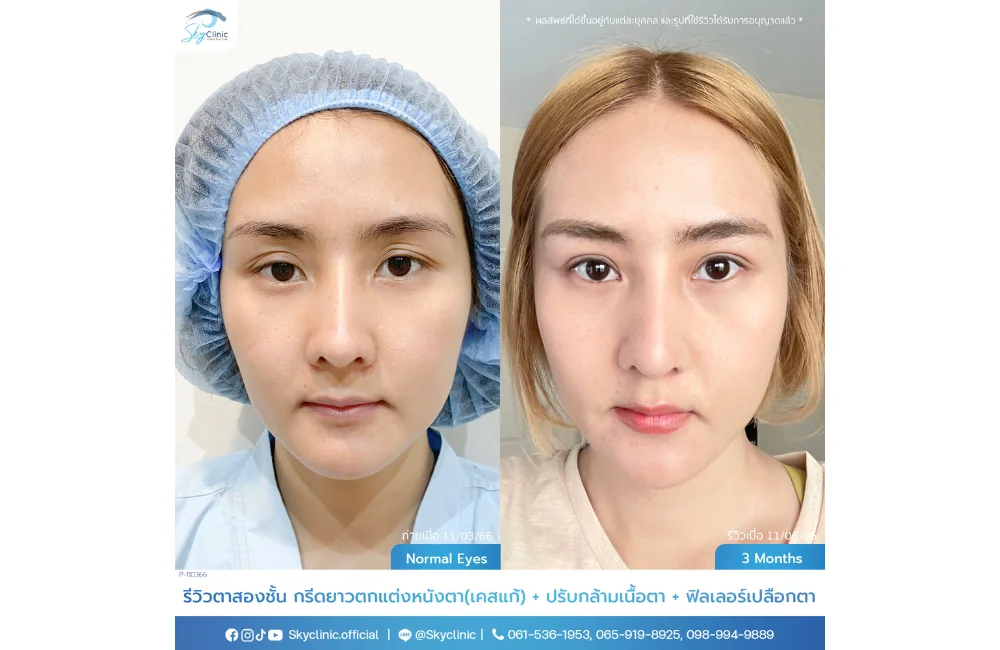
Ptosis correction surgery involves making an incision to access the eyelid muscle layer to adjust the part of the eyelid muscle that is causing the problem. This surgery is often performed together with double eyelid surgery, as an incision is already made as part of the double eyelid procedure. The results can help make the eyes look more open, brighter, and rounder, with more of the pupil visible and less obstruction of the visual field.
Frequently Asked Questions About Ptosis
1. Can Double Eyelid Surgery Correct Sleepy-Looking Eyes?
Double eyelid surgery alone cannot completely correct sleepy-looking eyes because the eyelid muscle may also need to be corrected. Therefore, the doctor may recommend combining eyelid muscle correction with double eyelid surgery at the same time to achieve the best possible results.
2. How Much Eyelid Drooping Indicates Ptosis?
In general, if the upper eyelid droops and covers more than 2 millimeters of the pupil, it may indicate ptosis. It should be evaluated by an ophthalmologist to determine the appropriate treatment.
3. Can Ptosis Be Left Untreated for a Long Time?
Leaving ptosis untreated for a long time is not recommended. As you age, the drooping of the eyelids may become more pronounced, causing the sleepy-looking appearance to become more pronounced and potentially affecting vision in the long term.
4. Can One-Sided Sleepy-Looking Eyes Be Corrected?
Sleepy-looking eyes, whether affecting one eye or both eyes, can be corrected. However, it is important to choose a reputable clinic or hospital and a doctor with specialized expertise, as the treatment directly involves the eyelid muscles.
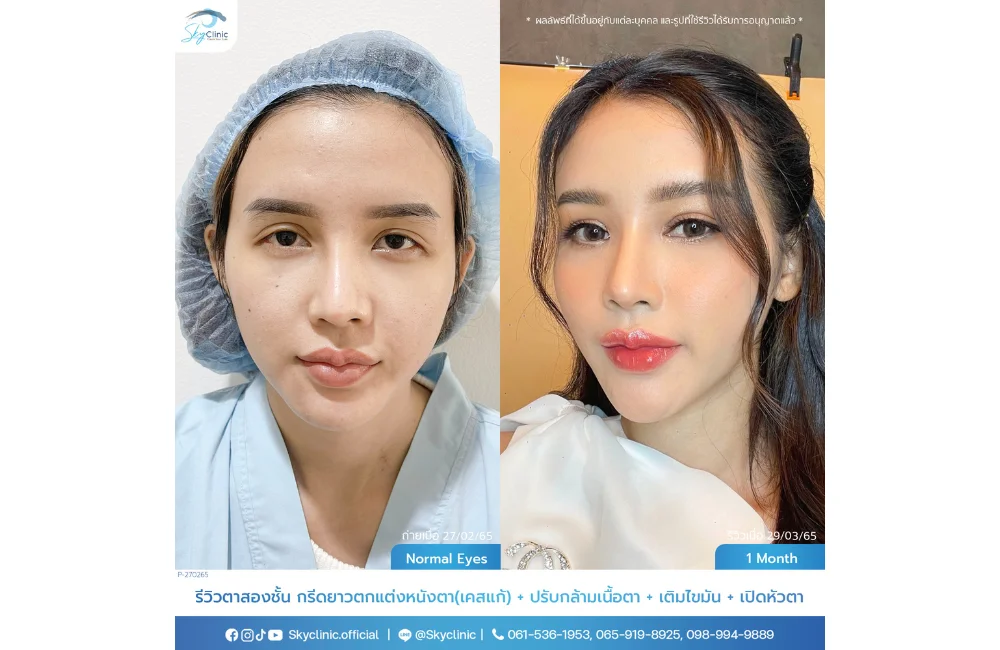
Why Choose Sky Clinic for Ptosis Correction?
At Sky Clinic, you can feel confident in receiving personalized care. Our procedures are performed by experienced and specialized ophthalmologists who can assess and correct the eyelid structure, including the eyelid crease, as appropriate for each patient. Before surgery, every patient will meet and consult with an ophthalmologist to evaluate the eyelid crease and determine the most suitable treatment approach for each patient's eye shape. In addition, we use the Premium Stitch technique, using a special fine suture that can help reduce the chance of developing keloid scars from double eyelid surgery. This helps the incision heal smoothly and beautifully, with minimal downtime, allowing you to return to your normal daily activities after the procedure.
Summary
Ptosis is another condition that can affect both confidence and vision. It can occur due to various causes, including genetics, aging, or lifestyle habits. Although it may seem like a minor problem, leaving it untreated may have long-term effects. Corrective surgery performed by an ophthalmologist can be an effective treatment option, helping patients achieve brighter-looking eyes and regain confidence in their daily lives.
Source : -