



Unveiling the mystery: What causes watery eyes, along with simple ways to prevent it.




Watery eyes may seem like a minor problem to some, but in reality, this condition can have a greater impact on daily life than you might think, especially if it occurs frequently or chronically. This could be a sign of an underlying eye health issue that requires attention. If you're wondering what causes watery eyes and how to prevent or manage them, let's explore this article.
SymptomsWatery Eyes
Watery eyes are a condition where there is an excessive outflow of tears or discharge. This may be accompanied by other symptoms such as redness, swelling, irritation, or discomfort in the eyes. The discharge may be clear, thick, or sticky, depending on the cause of the problem. In some cases, watery eyes occur when the body tries to protect the eyes from foreign objects such as dust or chemicals. However, sometimes it can be a sign of an underlying condition such as viral conjunctivitis, blepharitis, or allergies. If watery eyes are accompanied by blurred vision or eye pain, you should consult an ophthalmologist for proper diagnosis and treatment.
What Causes Watery Eyes
Watery eyes can be caused by many factors.
The main causes are commonly found, such as dry eye, conjunctivitis, or allergies. Each cause has details as follows:
1. Dry Eye
Dry EyeDry EyeIs one of the most common causes of watery eyes. When the eyes continuously lack moisture, the sebaceous glands in the eyelids are stimulated to produce more tears to compensate for the lost moisture, resulting in excessive tearing. This condition can be caused by many factors, such as using the eyes in dry environments, cold air, prolonged screen time, or using medications that cause side effects, such as antihistamines. Relief methods include using artificial tears regularly and reducing exposure to overly dry environments.
2. Viral Conjunctivitis
Viral conjunctivitis is another cause of watery eyes, especially during viral respiratory infections. This often results in red eyes, watery eyes, and thick, clear discharge. If left untreated, the inflammation can spread and affect vision. Prevention methods include washing hands thoroughly and avoiding touching the eyes. And use artificial tears to help relieve symptoms.
3. Blepharitis
Blepharitis, or inflammation of the sebaceous glands in the eyelids, results in watery and swollen eyes. Symptoms often include red, itchy eyelids and thick discharge along the eyelashes. Treatment involves regular eyelid cleaning and avoiding irritating cosmetics.
4. Irritating Eyelashes
Irritating eyelashescan cause watery eyes in some people. This is because the eyelashes grow in the wrong direction, causing them to directly touch the cornea, leading to irritation and chronic tearing. Treatment involves removing the misaligned eyelashes or having them corrected by an ophthalmologist.
5. Allergic Conjunctivitis
Allergic conjunctivitis is a problem that causes watery eyes along with itching and redness. It is caused by an allergy to allergens such as dust, pollen, or animal dander. Prevention involves avoiding these allergens. And use anti-inflammatory eye drops as recommended by your ophthalmologist.
How to PreventWatery Eyes
Preventing watery eyes is easy and starts with adjusting daily habits and self-care to avoid triggers that cause eye problems, such as dust, chemicals, or dry air. Good prevention not only helps reduce watery eyes but also maintains long-term eye health. If you strictly follow these tips, your eyes will be bright, strong, and free from problems.
Keep clean
Maintaining cleanliness is the most important step in preventing watery eyes, as the eyes are sensitive to dirt and bacteria. We should wash our hands thoroughly before touching our eyes, avoid rubbing our eyes, and regularly clean off eye makeup daily. For those who wear contact lenses, clean the lenses with an appropriate antiseptic solution and replace them as scheduled to prevent the accumulation of germs that can lead to watery eyes.
Wear eye protection
Wear safety glasses or goggles in areas with dust or high concentrations of chemicals, such as factories or gardening. Protecting your eyes with appropriate equipment reduces the risk of irritation, a major cause of watery eyes, especially for those exposed to allergens in daily life.
Stay hydrated
Drinking enough water each day helps keep the body and eyes hydrated, reducing dry eye problems, which are one cause of watery eyes. For those who work in air-conditioned rooms or dry environments, use artificial tears to keep the eyes moist. Helps reduce eye irritation and prevents further irritation.
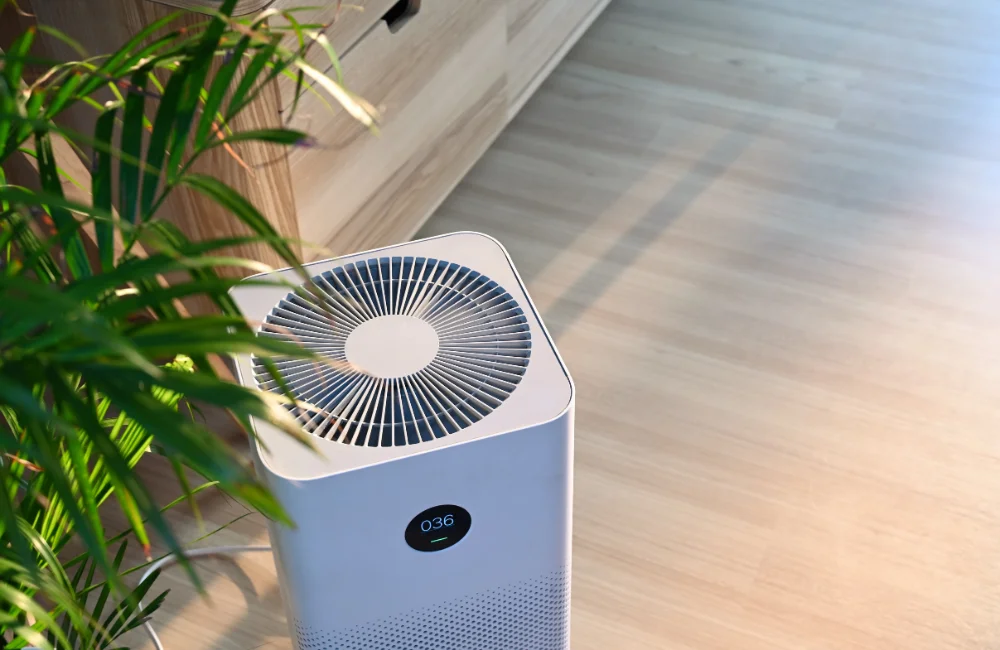
Install an air purifier
An air purifier is a great help for people with allergies or those living in highly polluted areas. Air purifiers help reduce dust, smoke, and allergens in the home, so your eyes don't have to be exposed to these triggers as often. Using an air purifier can effectively reduce watery eyes.
Eye surgery to correctdrooping eyelids
If watery eyes are caused by a structural problem with the eyelids orptosis,ptosissurgery to correctptosis may be an effective solution. This helps to improve the eye's structure, reducing tear flow and providing a long-term solution for watery eyes. It is advisable to consult a specialist doctor to assess the problem and choose the most appropriate treatment method.
Summary

Watery eyes can be managed and prevented with initial measures to help reduce symptoms. However, if the symptoms persist, you should consult an ophthalmologist. For those interested, you can consult the expert ophthalmologists at Sky Clinic, who specialize in double eyelid surgery, epicanthoplasty, correction of ptosis (weak eyelid muscles), concealed scars under the eyebrow, rearrangement of sub-eye fat, and removal of under-eye bags, to receive treatment appropriate for your problem.
Source : -