


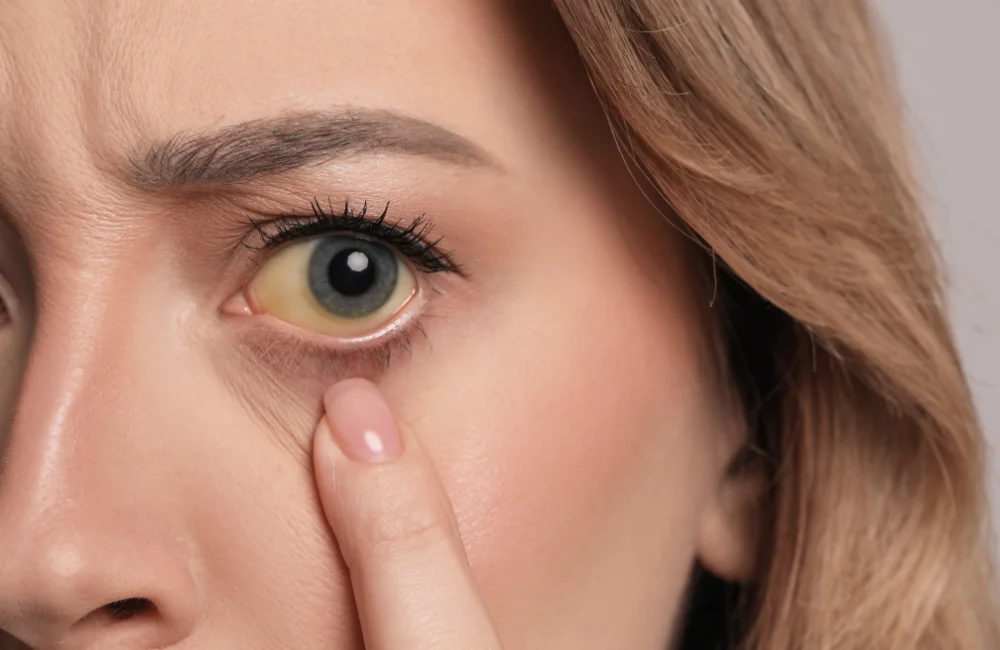
Why do I have yellow eyes? Learn about the causes of yellow eyes and how to fix them.




Yellow eyes are a symptom that many people may overlook, but in reality, it may be a sign of a health problem that should be closely monitored. Many people may wonder what causes yellow eyes and whether it is related to various diseases. This article will explore the causes of yellow eyes and ways to help maintain better eye health.
Symptoms ofYellow Eyes
Yellow eyes are a condition where the whites of the eyes turn yellow due to the accumulation of bilirubin in the bloodstream, a substance produced from the breakdown of red blood cells. This symptom is often found in people with liver problems, biliary tract problems, or blood disorders. Patients may also experience other symptoms such as yellowing of the skin, itching, or pain in the upper right abdomen. If you have yellow eyes along with other worrisome symptoms, you should consult a doctor immediately.
What Causes Yellow Eyes
Yellow eyes have many causes, most of which are related to complex health problems such as liver abnormalities, blood diseases, or biliary system disorders. Understanding these causes can help us prevent and treat yellowing of the eyes correctly.
1. Jaundice
Jaundice is caused by the accumulation of bilirubin in the body, often resulting from liver dysfunction such as inflammation or blockage of the bile ducts. Abnormal breakdown of red blood cells can also cause increased bilirubin in the blood. The result is yellowing of the eyes, skin, and dark urine. If left untreated, it can affect the function of other organs.
2. Liver Disease
Liver diseases such as hepatitis, cirrhosis, or fatty liver disease are major causes of the liver's inability to effectively eliminate bilirubin. Symptoms in patients with liver disease often include yellowing of the eyes and skin, fatigue, and abdominal pain. Therefore, annual health checkups to assess liver function are important.
3. Bile Duct Obstruction
Bile duct obstruction, such as from gallstones or tumor growth in the biliary tract, prevents bilirubin from being excreted from the body. This causes bilirubin to accumulate in the blood, resulting in yellowing of the eyes. Ultrasound or CT scans can help diagnose this condition.
4. Pancreatic Cancer
Pancreatic cancer is another cause of yellowing of the eyes, as the tumor may compress the bile duct, causing obstruction. Other symptoms to watch for include unexplained weight loss or severe abdominal pain. This is important in diagnosing this disease.
5. Thalassemia
Thalassemia is a genetic disease that affects the production of red blood cells in the body. Patients often experience anemia, fatigue, and jaundice (yellowing of the eyes) because red blood cells break down faster than normal. Blood tests and genetic counseling can help patients understand and manage this disease appropriately.
What symptoms of jaundice warrant immediate medical attention?
If you notice yellowing of your eyes along with other symptoms that may be a sign of a serious illness, you should see a doctor immediately as it can be life-threatening. The signs of yellowing of the eyes that require immediate medical attention are as follows:
- Pale or gray stools are a sign of a bile duct obstruction or gallstones.
- Darker yellow urine may be due to high bilirubin levels in the blood.
- Darkening of the skin or yellowing of the skin, along with yellowing of the eyes, is a sign of jaundice, which may be caused by severe liver disease.
- Swelling of the legs or abdomen may be due to cirrhosis. This can cause fluid retention in the body.
- Abnormal bleeding, such as nosebleeds or easy bruising, may be due to impaired liver function.
- Unexplained itchy skin may be due to bilirubin buildup from bile duct obstruction.
- Joint pain or muscle discomfort may be symptoms of viral hepatitis.
- Feeling weak or tired regularly may indicate liver dysfunction.
- Rapid weight loss without a known cause may be related to chronic liver disease or liver cancer. Loss of appetite may be a sign of hepatitis or biliary tract problems.
How to Protect Yourself from Yellow Eyes

Maintaining good eye and body health helps reduce the risk of developing yellow eyes. The best way to do this is to adjust daily habits and choose appropriate self-care. This includes eating nutritious food, getting enough rest, and avoiding various risk factors. Doing these things consistently can help reduce the chances of developing yellow eyes due to health problems.
Using Artificial Tears for Dry Eyes
For those with dry and irritated eyes, using artificial tears is an option to help moisturize the eyes and prevent problems that may lead to yellow eyes. Artificial tears can reduce the risk of dust and irritants entering the eyes. Choosing preservative-free artificial tears can help reduce side effects, and the use of artificial tears should be as directed by a doctor for safety.
Drink Enough Water Daily
Drinking 8–10 glasses of water a day is crucial for detoxifying the body and maintaining a balanced circulatory system, which benefits liver function. Drinking the right amount of water also reduces the chance of bilirubin buildup, which can cause yellowing of the eyes. Additionally, carrying a water bottle and sipping frequently helps ensure continuous hydration.
Eat Foods Beneficial for Your Eyes
Foods rich in vitamin A and beta-carotene, such as carrots, broccoli, pumpkin, and egg yolks, nourish the eyes and support liver function. Vitamin A reduces the risk of dry eyes and yellowing of the eyes, and also strengthens the body's immune system. Eating a variety of foods in appropriate proportions ensures the body receives complete nutrition.
Take Eye Vitamins
Eye vitamins, such as lutein, zeaxanthin, and vitamin A, play an important role in preventing eye health problems. Choosing to take these vitamins in supplement form or from foods rich in these nutrients, such as spinach and berries, can help prevent dry eyes and reduce the risk of jaundice from liver dysfunction.
Wear quality contact lenses
Wearing contact lenses that meet standards and are suitable for your eye condition is very important. Low-quality lenses can cause irritation or infection to the eyes, leading to jaundice (yellowing of the eye). Choosing lenses with high moisture content and consulting a specialist before use is recommended.
Get enough rest
Sufficient sleep of 7-8 hours a day allows the body to fully repair itself, especially restoring liver function and the circulatory system. In addition, avoiding staying up late or not getting enough sleep regularly can reduce the risk of developing jaundice.
Avoid alcohol and reduce smoking
Excessive alcohol consumption and smoking negatively affect the liver and other bodily functions. Reducing or quitting these behaviors reduces the burden on the liver and prevents jaundice caused by liver disease or bilirubin buildup. Alternative methods such as exercise or other activities can be used. This is a good guideline for those who want to maintain their health sustainably.
Article Summary
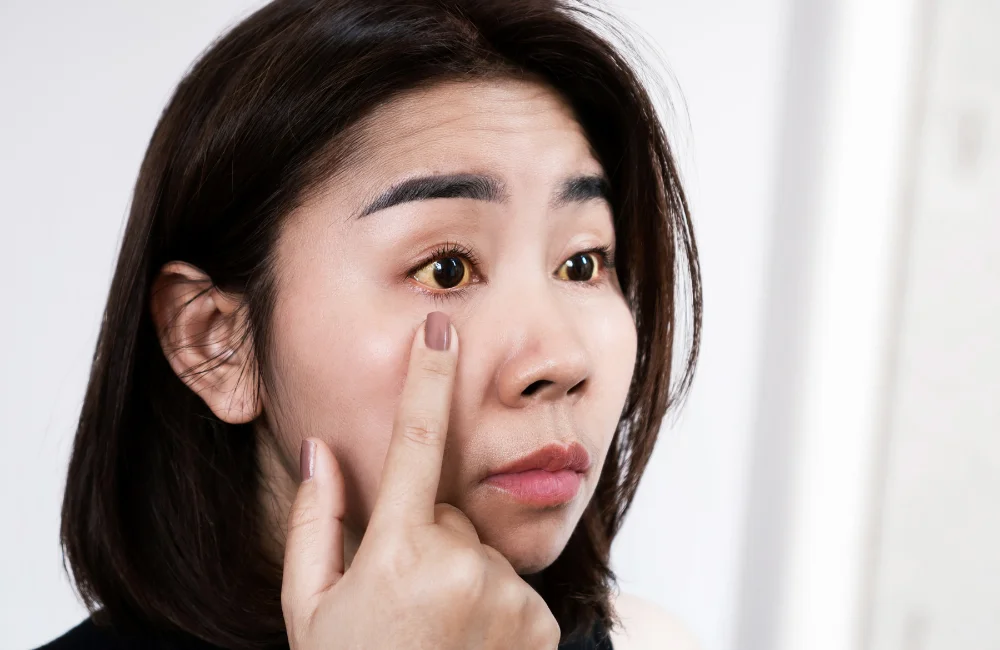
Yellowing of the eyes may be a sign of a health problem that requires serious attention. Prevention and proper self-care can reduce the risk of this condition. However, for those who do not have any eye health problems, but want to improve the appearance and balance of their eyes, they can consult the expert ophthalmologists at Sky Clinic, who specialize inDouble eyelid surgery Open Eye Correction of weak eye muscles Hiding scars under the eyebrow&bsp;Under-eye fat rearrangement andGet rid of bags under the eyes to receive the appropriate treatment for your problem.
Source : -