


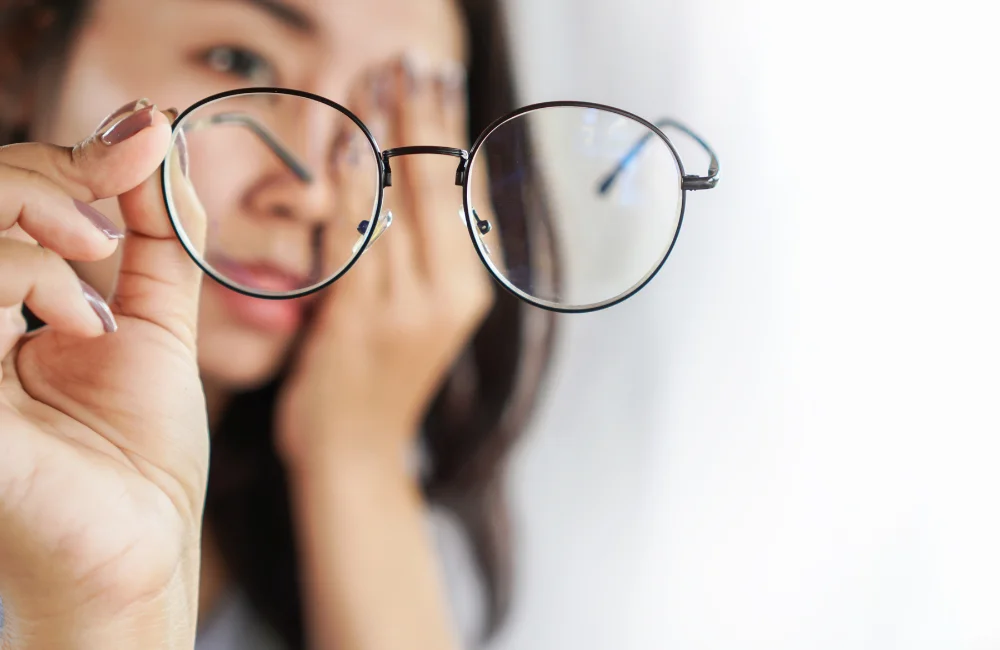
Blurred Vision in One Eye: Symptoms, Causes, and Treatment Options




Blurred vision in one eye is a warning sign that should not be ignored, as it may indicate a serious condition that requires prompt treatment. If you experience blurred or unclear vision in one eye, you should see an ophthalmologist immediately for a proper diagnosis. This is because blurred vision in one eye can be caused by multiple factors, each requiring different treatment approaches.
What Causes Blurred Vision in One Eye
Blurred vision in one eye can be caused by various factors, ranging from minor issues to serious conditions that require urgent treatment. If you notice blurred vision in one eye due to any abnormality, you should consult a doctor promptly to receive appropriate care. Common causes include the following:
Dry Eye
Dry eye is a common underlying cause of blurred vision in one eye. Tears play an essential role in lubricating and maintaining moisture on the eye surface. When the body produces insufficient tears or the tear quality is poor, it can lead to dryness and irritation of the cornea, resulting in unclear vision. This is especially common in the digital age, where prolonged screen use reduces blinking, accelerates tear evaporation, and increases the likelihood of blurred vision in one eye.
Refractive Errors
Blurred vision in one eye can result from various types of refractive errors, including nearsightedness, farsightedness, or astigmatism. This is especially noticeable when the condition affects only one eye or when both eyes have unequal vision. As a result, the brain must work harder to process images from both eyes, leading to blurred vision in one eye, eye strain, and headaches. If not corrected with appropriate eyeglasses or contact lenses, it may lead to lazy eye (amblyopia) and long-term vision loss.
Glaucoma
Glaucoma is a major cause of blurred vision in one eye. It is caused by abnormally high pressure inside the eye, which damages the optic nerve and leads to deteriorating vision. Acute glaucoma, in particular, can occur rapidly in one eye. Patients may experience severe eye pain, redness, nausea, vomiting, and a sudden decrease in vision. This is considered an eye emergency that requires immediate treatment to prevent permanent vision loss.
Cataract
Cataracts are another cause of blurred vision in one eye. They occur when the eye’s natural lens becomes cloudy, preventing light from passing normally to the retina. Although cataracts are more common in older adults and usually affect both eyes, they may begin in just one eye. This can lead to blurred vision in one eye, unclear images, eye irritation, and sometimes a yellowish or brownish tint to vision. The most effective treatment is surgical replacement of the cloudy lens with an artificial intraocular lens.
Eye Hemorrhage
Blurred vision in one eye can also be caused by bleeding inside the eye, especially in individuals with high blood pressure, diabetes, or eye injuries. When bleeding occurs inside the eye, it can disrupt vision, causing floaters, dark spots, or shadows, along with sudden blurred vision. In some cases, eye pain may also occur. This condition is considered an emergency and requires prompt diagnosis and treatment to prevent damage to the retina.
Eye Infection or Inflammation
Eye infections or inflammation are common causes of blurred vision in one eye. They may be caused by bacteria, viruses, or fungi, leading to inflammation of eye tissues. Symptoms include redness, eye pain, tearing, and blurred vision. In some cases, there may be excessive discharge, sensitivity to light, and a sensation of a foreign object in the eye. Treatment depends on the cause and may include antibiotics, antiviral medications, or anti-inflammatory drugs.
Optic Nerve Problems
Blurred vision in one eye can result from various optic nerve disorders, such as optic neuritis, reduced blood supply to the optic nerve, or tumors compressing the nerve. These conditions may occur locally or as part of broader neurological diseases. When the optic nerve is damaged or functions abnormally, it disrupts the transmission of visual signals to the brain, leading to blurred vision in one eye, double vision, or partial loss of the visual field. In some cases, there may also be pain around the eye.
Migraine or Headache
Blurred vision in one eye is a common symptom in people with migraines, especially during the aura phase before the headache begins. Patients may experience blurred vision, flashes of light, blind spots, or zigzag lines in their visual field. These symptoms typically affect one eye or one side of the visual field and usually last about 20–60 minutes before the onset of severe headache, nausea, vomiting, and sensitivity to light and sound. Proper treatment and avoiding triggers can help prevent these episodes.
Eyelid Abnormalities
Eyelid abnormalities can also cause blurred vision in one eye. Conditions such as eyelid muscle weakness, drooping eyelids, or inflammation of the eyelid margins can interfere with normal blinking. This leads to uneven tear distribution across the cornea, causing dry spots and unclear vision. Additionally, inward-growing eyelashes or infections along the eyelid margin may cause irritation and blurred vision.
How Can It Be Treated?

When experiencing blurred vision in one eye, it is essential to receive a proper diagnosis from an ophthalmologist to determine the underlying cause, as each cause requires a different treatment approach. Appropriate and timely treatment can help prevent severe vision loss.
Medications for Blurred Vision
The use of medications to treat blurred vision in one eye must be tailored to the underlying cause. For example, intraocular pressure-lowering drugs are used for glaucoma patients, antibiotics for infections, or anti-inflammatory medications in cases of eye tissue inflammation. Some medications may come in the form of eye drops, ointments, or oral drugs. It is important to use medications strictly as prescribed by a doctor and to monitor for possible side effects to ensure the treatment is both effective and safe.
Eye-Nourishing Foods
Eating foods that support eye health is one way to help prevent and relieve blurred vision. You should choose foods rich in vitamin A, vitamin C, vitamin E, lutein, zeaxanthin, and omega-3 fatty acids, such as fruits for eye health, leafy green vegetables, carrots, marine fish, egg yolks, and berries. Additionally, you should drink enough water to prevent dehydration, which can affect tear production, and avoid overly salty foods that may cause puffiness around the eyes.
Artificial Tears
The use of artificial tears is an effective way to relieve blurred vision in one eye caused by dry eye. Artificial tears help add moisture to the eyes, reduce irritation, and improve visual clarity. They are available in both liquid and gel forms. The liquid type is suitable for daytime use, while the gel type is better used before bedtime as it may temporarily blur vision. It is recommended to choose preservative-free artificial tears for frequent use and to avoid using expired products or those that have been opened for more than one month.
Eyelid Surgery
For individuals experiencing blurred vision due to eyelid abnormalities, double eyelid surgery or corrective eyelid procedures may be an appropriate option, especially in cases of droopy eyelids or weak eye muscles. Choosing a reputable eye surgery clinic with experienced specialists is essential. The procedure helps restore normal eyelid function, reduce irritation and blurred vision, and can also enhance the appearance of the eyes, making them look more refreshed and defined.
Summary

Blurred vision in one eye can be caused by a wide range of factors, from minor issues to serious conditions that require urgent treatment. Paying attention to symptoms and seeking medical attention promptly when abnormalities occur is essential to receive an accurate diagnosis and appropriate treatment, helping to prevent potential vision loss. For those interested in eyelid surgery, you can consult experienced ophthalmologists at Sky Clinic, who specialize in Double Eyelid Surgery, Epicanthoplasty (inner corner eye opening), Ptosis Correction (weak eyelid muscle adjustment), Subbrow Lift, and Under-Eye Fat Bags Removal Surgery, to receive treatment tailored to your specific needs.
Source : -