



Itchy Eyes: Causes and Simple Ways to Relieve Symptoms at Home




Itchy eyes are a problem that can be annoying for many people and may be a sign of certain eye abnormalities. Many people may wonder what causes itchy eyes and how to relieve this symptom. In this article, we will help everyone understand the various causes of itchy eyes, as well as simple basic self-care methods to help improve the symptoms, along with prevention tips and medical treatment options when necessary.
What Are Itchy Eyes?
Itchy eyes refer to an irritating sensation around the eyes that makes you want to rub your eyes frequently. This can occur in both eyes or only one eye. Sometimes, other symptoms may also occur. The severity of itchy eyes can range from mild to severe enough to interfere with daily life.
What Causes Itchy Eyes?
Itchy eyes can be caused by many factors, including both external factors and internal factors within the body. Understanding what causes itchy eyes can help you manage and prevent the condition properly. The main causes of itchy eyes include:
Allergies
Allergies are one of the most common causes of itchy eyes. When the eyes come into contact with allergens such as dust mites, pollen, pet hair, or mold, the body releases histamine. This causes itching, burning eyes, red eyes, and watery eyes. Symptoms usually occur in both eyes and may be accompanied by other allergy symptoms, such as sneezing, nasal congestion, or skin rashes. Avoiding allergens is therefore important.
Dry Eyes and Eye Strain
Dry eye occurs when the eyes do not produce enough tears or when tears evaporate too quickly. This causes the eyes to lack moisture, making them easily irritated and itchy. Eye strain often occurs from focusing on a computer or mobile phone screen for a long time. This causes the eye muscles to work harder and may also lead to dry eyes. These symptoms often make the eyes feel uncomfortable and may be accompanied by other symptoms such as burning eyes or blurred vision.
Conjunctivitis
Conjunctivitis, commonly known as pink eye, is caused by a viral or bacterial infection, or it may be caused by allergies. It causes inflammation of the conjunctiva, the thin tissue that covers the inside of the eyelids and the whites of the eyes. This leads to itchy eyes, red eyes, burning eyes, abnormal eye discharge, and watery eyes. If it is caused by an infection, precautions should be taken to prevent spreading the infection to others.
Frequent Eye Rubbing
Rubbing the eyes may temporarily relieve itching, but in reality, it can make the symptoms worse because your hands may carry germs or dirt. When you rub your eyes, those contaminants can enter the eyes directly. In addition, rubbing the eyes forcefully may cause corneal abrasions or increased inflammation, resulting in more severe itching and eye irritation.
Eyelashes Rubbing Against the Eye
Eyelashes rubbing against the eye is a condition in which the eyelashes grow in the wrong direction, curling inward and rubbing against the cornea or conjunctiva. This can cause irritation, itchy eyes, watery eyes, a feeling like there is a foreign object in the eye, and may also cause red eyes. This problem may be caused by eyelid abnormalities, such as inward-turning eyelids, or may result from aging. If left untreated for a long time, it may lead to corneal wounds.
Eyelid Inflammation
Eyelid inflammation is a condition in which the eyelid margin becomes inflamed. It may be caused by a bacterial infection, abnormal function of the oil glands in the eyelids, or certain skin conditions. This can cause itching around the eyelid margin, burning eyes, and red eyes.
How to Prevent Itchy Eyes
Prevention is always better than treatment. You can reduce the risk of itchy eyes by adjusting your behavior and maintaining good hygiene around the eyes. This helps reduce the chance of contact with various triggers that may cause eye irritation.
Wear Glasses to Avoid Dust, Smoke, and Strong Wind
Wearing glasses when going to areas with dust, smoke, or strong wind can help protect the eyes from direct contact with these irritants. Sunglasses with UV protection are especially helpful. In addition to reducing eye discomfort from sunlight, they also act as a shield to protect the eyes from pollution that may trigger itchy eyes.
Rest Your Eyes Every 20 Minutes
For those who need to work in front of a computer screen or use a mobile phone for long periods, you should rest your eyes regularly by following the 20-20-20 rule: every 20 minutes, look away from the screen and focus on something about 20 feet away for 20 seconds. Doing this helps reduce eye strain and dry eyes, which are one of the causes of itchy eyes.
Drink Enough Water
Drinking enough water for the body’s needs, about 8 to 10 glasses per day, helps prevent dehydration, which is also beneficial for eye moisture. It helps reduce the chance of dry eyes, which is one of the causes of itchy and easily irritated eyes. Maintaining overall body hydration is therefore important for eye health.
Use Gentle Products Around the Eyes
Choose gentle facial cleansers, cosmetics, or eye care products that are free from fragrance or substances that may easily irritate. Before using new products, test them on another sensitive area of skin first to check for allergic reactions. Choosing suitable products can help reduce the risk of itchy eyes.
Wash Your Hands Before Touching the Eye Area
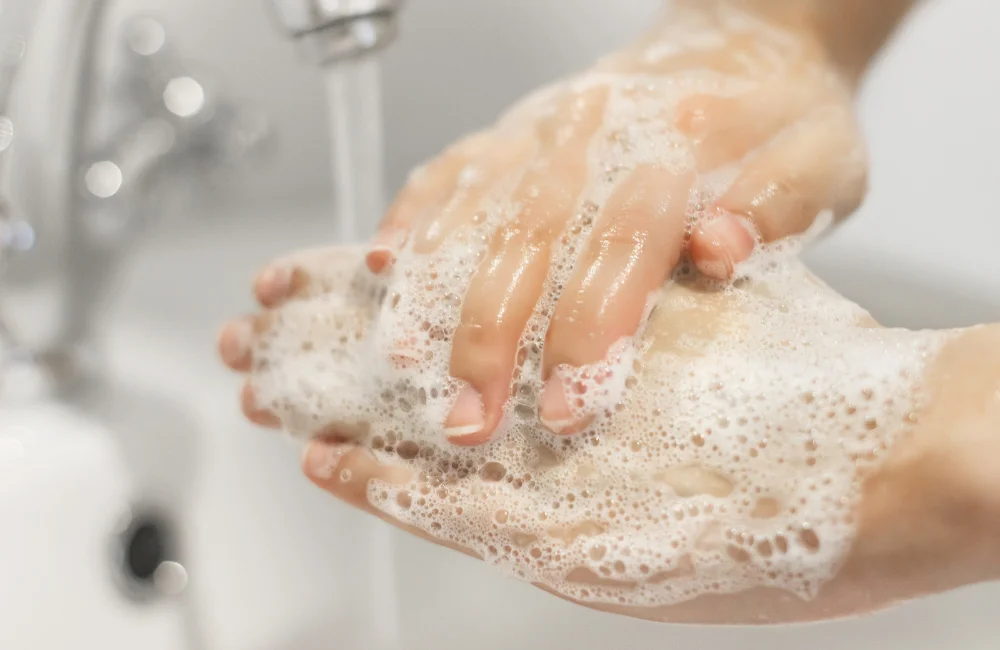
Our hands come into contact with many things throughout the day, which may carry germs or dirt. Touching or rubbing the eyes with unwashed hands can bring germs directly into the eyes, leading to infection and itchy eyes. Therefore, you should make it a habit to wash your hands with soap and clean water, especially before touching your face and eyes.
Change Pillowcases and Blankets Regularly
Pillowcases and blankets can accumulate dust mites, which are common allergens and can cause itchy eyes. Washing these bedding items in hot water at least once a week and drying them thoroughly in the sun can help reduce dust mites and lower the chance of allergies and itchy eyes caused by dust mites.
Install an Air Purifier
If you live in an area with high dust levels or air pollution, or if someone in your home has allergies, installing an air purifier in the house or bedroom can help filter dust, allergens, and various airborne contaminants. This helps create cleaner air, reduces exposure to triggers that may cause itchy eyes, and may also help reduce other respiratory problems.
6 Ways to Relieve Itchy Eyes
When itchy eyes occur, proper basic self-care can help relieve symptoms, prevent them from becoming severe, and reduce eye discomfort. However, if symptoms do not improve or other abnormal symptoms occur, you should consult an ophthalmologist to identify the true cause and receive appropriate treatment.
1. Apply a Cold Compress
A cold compress is a simple and effective way to reduce itching and swelling around the eyes. The cold helps constrict blood vessels in the area and reduces the release of histamine, which causes allergic reactions and itching. Use a clean cloth soaked in cold water and wrung out, or use a ready-made cold gel pack, then place it over closed eyelids for about 5-10 minutes. This can help make the eyes feel more comfortable.
2. Rinse the Eyes with Sterile Saline Solution
Sterile saline solution or normal saline solution can be used to rinse the eyes to wash away dirt, allergens, or foreign substances that may be causing itchy eyes. Because saline has a concentration similar to the body’s fluids, it does not sting the eyes. You should choose saline specifically labeled for eye use and use it carefully according to the instructions.
3. Avoid Rubbing Your Eyes
Although rubbing your eyes may temporarily relieve itching, it can actually trigger more inflammation in the eyes and also increase the risk of bringing germs into the eyes. Try to resist and avoid rubbing your eyes completely. If the itching feels intense, try using a cold compress or rinsing the eyes with saline instead, as these methods can help relieve symptoms more effectively.
4. Use Artificial Tears
If itchy eyes are caused by dry eyes, artificial tears can help add moisture to the eyes, reduce friction and irritation, and make the eyes feel more comfortable. Choose preservative-free artificial tears if you need to use them frequently to reduce the chance of irritation from preservatives, and strictly follow the usage instructions.
5. Stop Wearing Contact Lenses
If you wear contact lenses and develop itchy eyes, you should stop wearing them immediately and temporarily switch to glasses until the symptoms improve. Contact lenses may be a source of germs or allergens, or they may make the eyes drier. In addition, you should check the expiration dates of your contact lenses and contact lens solution, as well as make sure you are following proper cleaning and care methods.
6. Take Allergy Medication
In cases where itchy eyes are caused by allergies, taking antihistamine allergy medication can help relieve itchy eyes, a runny nose, or other allergy symptoms. However, some allergy medications may cause drowsiness. You should always consult a pharmacist before using medication, and if symptoms do not improve, you should see a doctor for proper diagnosis and treatment.
Medical Treatment Methods
If itchy eyes do not improve after basic self-care or if severe symptoms occur, such as very red eyes, eye pain, blurred vision, or pus-like eye discharge, you should see an ophthalmologist to diagnose the true cause. The doctor may prescribe eye drops containing antihistamines, steroids, or antibiotics, depending on the cause of the condition. In some cases, such as eyelashes rubbing against the eye and causing irritation, treatment may require eyelash removal or consideration of eye correction or double eyelid surgery to correct the eyelid structure and reduce the chance of recurring eyelashes rubbing against the eye.
Summary

What causes itchy eyes? Itchy eyes can be caused by many factors, from allergies and dry eyes to infections or structural problems around the eyes. Proper prevention together with basic self-care when symptoms occur can help improve the condition. However, if symptoms worsen or are caused by inward-turning eyelids that lead to eyelashes rubbing against the eye, you should consult an ophthalmologist to correct the problem. For those looking for an eye surgery clinic, you can consult the specialized ophthalmologists at Sky Clinic, who have expertise in Double Eyelid Surgery, Epicanthoplasty (inner corner eye opening), Ptosis Correction, Subbrow Lift, and Under-Eye Fat Removal Surgery, to receive treatment that is suitable for each individual’s concerns.
Source : -