


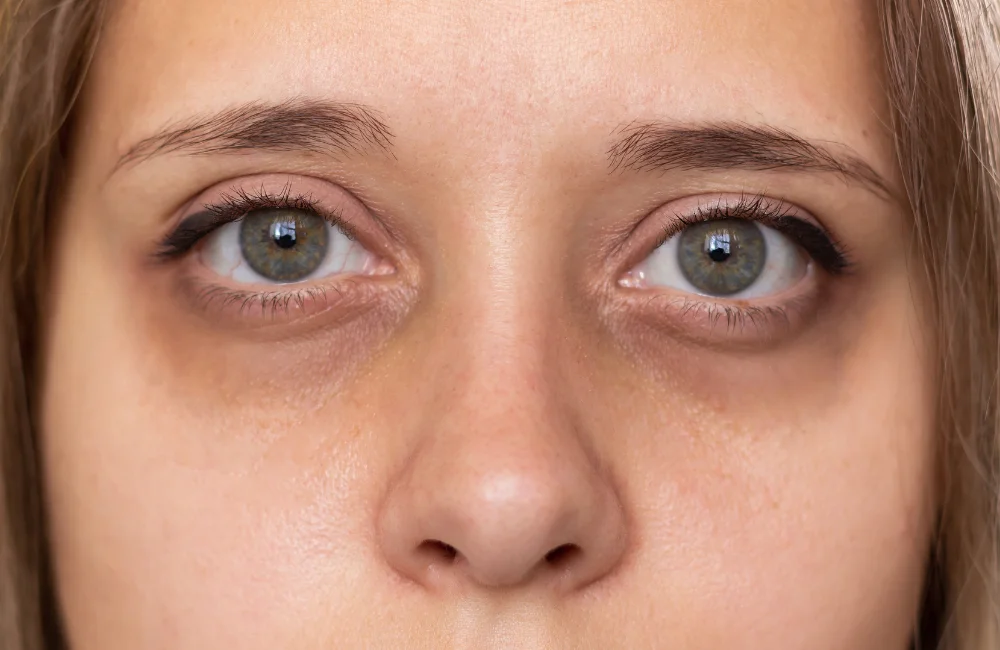
Hollow and Deep-Set Eyes: What Causes Them and How Can They Be Treated?




Hollow and deep-set eyes are common concerns, especially among people who frequently experience changes in the appearance of the eye area. This is different from creating dolly eyes, which are intended to make the eyes look larger. Hollow eyes can make the eyes appear tired, sunken, and older. There are several ways to address this issue, which we will discuss below.
What Are Hollow and Deep-Set Eyes?
Hollow and deep-set eyes are conditions that can occur due to a loss of fat beneath the eyes or around the eye socket, resulting in noticeable under-eye hollows and shadows. In some cases, they may also occur alongside under-eye bags. Deep-set eyes are generally not a serious medical condition, but they can affect confidence and appearance by making the face look tired, sunken, and older than it actually is. Hollow eyes may also make applying makeup more difficult, as cosmetics can settle unevenly in the recessed areas.
Characteristics of Hollow and Deep-Set Eyes
Hollow and deep-set eyes are common concerns that can affect the overall freshness of the face. The characteristics of hollow and deep-set eyes may include:
The brow bone appears clearly defined.
Multiple deep eyelid creases that extend toward the eye socket, or a single crease that sits very deeply.
The eyes appear sad or tired all the time.
A noticeable hollow or deep groove above the eyelid crease.
The face may appear stern or serious due to the clearly visible brow bone.
The face may look older than its actual age, with the eyes appearing dull, tired, or sunken.
Droopy-looking eyes or difficulty fully opening the eyes, which may be associated with weakened eyelid muscles.
The eyelid crease appears thick, high, unnatural, or has multiple folds, making the eyes look noticeably deeper-set.
What Causes Hollow and Deep-Set Eyes?
Hollow and deep-set eyes can occur for various reasons, including a combination of internal and external factors. Before choosing an appropriate treatment or prevention method to help the eyes look brighter and more refreshed, it is important to first understand the underlying causes.
Genetics
Genetic factors are one of the most common causes of hollow and deep-set eyes. The structure of the eye socket, the amount of fat beneath the eyes, and the surrounding tissues are influenced by genetics from birth. Some people may naturally have deeper eye sockets or less under-eye fat than others, resulting in noticeable under-eye hollows. In addition, if parents or other family members have hollow or deep-set eyes, their children may be more likely to have similar features. A genetic tendency toward allergies may also contribute to under-eye puffiness, which can make the eye sockets appear deeper.
Insufficient Sleep
Insufficient sleep can contribute to dry eyes and may also contribute to hollow and deep-set eyes. Regularly staying up late or not getting enough sleep can affect blood circulation around the eyes, causing fluid and blood to accumulate beneath the eyes. Over time, this may contribute to thinner, looser under-eye skin and make the eye sockets appear deeper. In addition, insufficient sleep can increase the production of stress hormones, which may affect collagen production and the elasticity of the skin around the eyes.
Previous Double Eyelid Surgery
Hollow and deep-set eyes may occur after double eyelid surgery if too much eyelid fat is removed or if revision surgery does not sufficiently account for the original eye structure. This can result in a loss of the fat volume that provides support and fullness around the eyes. This may be more noticeable in patients who have undergone multiple eyelid revision surgeries or procedures that cause scar tissue to form beneath the skin. The scar tissue may pull on the surrounding tissues, making the eye sockets appear deeper. In some cases, hollow or deep-set eyes may become noticeable some time after surgery due to changes in the tissues and scar contracture.
Aging
Aging is a common cause of hollow and deep-set eyes. As we age, the body produces less collagen and elastin, causing the skin around the eyes to become thinner and lose elasticity. In addition, fat around the eyes may gradually decrease and shift downward due to gravity, resulting in more noticeable under-eye hollows. These changes are often more noticeable in people aged 40 and above, who may also experience more pronounced changes around the eye sockets and develop under-eye bags.
Weak Eyelid Muscle
Ptosis, or drooping of the upper eyelid, may occur alongside hollow and deep-set eyes and may also cause a drowsy-looking appearance. This can occur when the muscles responsible for lifting the upper eyelids do not function effectively, causing the surrounding tissues to become less supported and making the eye sockets appear deeper. Other symptoms may include drooping eyelids, eye muscle fatigue, or double vision. These symptoms can occur in people with Myasthenia Gravis (MG) or other neuromuscular disorders.
Are Deep-Set Eyes Dangerous?
Although deep-set eyes are generally not considered harmful to health, they can significantly affect confidence and overall appearance. They may make the face look tired, dull, and less refreshed, and may also influence how facial features are perceived based on traditional physiognomy. On the other hand, bright, refreshed-looking eyes can enhance facial attractiveness and may have a positive impact on both personal and professional life.
6 Ways to Improve Deep-Set Eyes and Make Your Eyes Look Brighter

When hollow or deep-set eyes occur, there are several ways to address hollow and deep-set eyes, ranging from lifestyle changes to modern medical treatments. Each approach has different benefits and may be more suitable depending on the underlying cause and severity of the condition.
1. Get Enough Sleep
Getting enough sleep is a basic approach that can help improve the appearance of hollow and deep-set eyes. Aim for 7–8 hours of sleep per night and try to go to bed before 10:00 PM to support the body’s natural recovery and skin repair processes. Adequate sleep may also help reduce fluid retention under the eyes and make the skin around the eyes look brighter and more refreshed. Avoid staying up late, drinking alcohol, and eating salty foods before bedtime.
Pros: Safe, free, and beneficial for overall health.
Cons: Requires time and consistency and cannot correct deep-set eyes caused by bone structure or genetics.
Who is it suitable for? People with mild hollow eyes or those whose main contributing factors are lack of sleep and lifestyle habits.
Pros: Safe, free, and beneficial for overall health.
Cons: Requires time and consistency and cannot correct deep-set eyes caused by bone structure or genetics.
Who is it suitable for? People with mild hollow eyes or those whose main contributing factors are lack of sleep and lifestyle habits.
2. Double Eyelid Surgery
Double eyelid surgery can help address hidden double eyelids and deep-set eyes. Experienced doctors at a specialized eye clinic will assess the eyes and plan the procedure according to the individual’s facial structure. The surgery may also address excess fat and tissue around the eyes, as well as drooping eyelids and monolids, depending on each individual’s condition. Epicanthoplasty can also be performed to complement the proportions of the eyes, helping the eyes look brighter and more natural. The procedure takes approximately 1–2 hours, depending on the complexity of each case.
Pros: Provides long-lasting results and can address eyelid crease concerns and excess tissue around the eyes at the same time.
Cons: Leaves a surgical incision and requires a period of postoperative care to allow the incisions to heal.
Who is it suitable for? People with deep-set eyes, monolids, drooping eyelids, or uneven eyelid creases.
Pros: Provides long-lasting results and can address eyelid crease concerns and excess tissue around the eyes at the same time.
Cons: Leaves a surgical incision and requires a period of postoperative care to allow the incisions to heal.
Who is it suitable for? People with deep-set eyes, monolids, drooping eyelids, or uneven eyelid creases.
3. Orbital Fat Repositioning
Orbital fat repositioning is an effective approach for addressing hollow and deep-set eyes. The doctor will assess the distribution of fat around the eyes and develop an appropriate treatment plan. If there is excess fat, it may be reduced or repositioned. If there is insufficient fat, the doctor may consider adding fat to create a softer, more natural appearance around the eye socket. This treatment can be performed together with double eyelid surgery and may provide long-lasting results.
Pros: Uses the patient’s own fat to create a smoother, more even eye contour and can provide results that last for many years.
Cons: This is a surgical procedure that requires careful wound care and may cause swelling and bruising during the initial recovery period.
Who is it suitable for? People with deep-set eyes, excessive or uneven fat distribution, localized bulging fat, or noticeable tear troughs.
Pros: Uses the patient’s own fat to create a smoother, more even eye contour and can provide results that last for many years.
Cons: This is a surgical procedure that requires careful wound care and may cause swelling and bruising during the initial recovery period.
Who is it suitable for? People with deep-set eyes, excessive or uneven fat distribution, localized bulging fat, or noticeable tear troughs.
4. Dermal Filler Injection
Dermal filler injections are a minimally invasive option for addressing hollow and deep-set eyes. The doctor injects a specialized filler into areas with noticeable hollows to restore volume and create a smoother, more youthful appearance. This method is suitable for people with deep-set eyes who want relatively quick results. The treatment takes approximately 15–30 minutes, and patients can generally return to their daily activities shortly after treatment. However, repeat treatment may be needed every 1–2 years to maintain the results. Dermal fillers can also be combined with double eyelid surgery, depending on the technique and the doctor’s assessment.
Pros: Visible improvement after treatment, no surgery required, and no lengthy wound-care period.
Cons: Results are not permanent. The filler gradually breaks down naturally, so repeat injections are needed to maintain the results.
Who is it suitable for? People with deep-set eyes who prefer a non-surgical approach, or those who have undergone double eyelid surgery and want a fuller-looking eyelid crease.
Pros: Visible improvement after treatment, no surgery required, and no lengthy wound-care period.
Cons: Results are not permanent. The filler gradually breaks down naturally, so repeat injections are needed to maintain the results.
Who is it suitable for? People with deep-set eyes who prefer a non-surgical approach, or those who have undergone double eyelid surgery and want a fuller-looking eyelid crease.
5. Applying Eye Cream
Applying eye cream is a basic skincare approach that may help improve the appearance of hollow and deep-set eyes. Choose products containing ingredients such as vitamin C, vitamin K, peptides, and caffeine, which may help improve the appearance of puffiness and support the skin around the eyes. Apply the cream gently twice a day, morning and evening, and avoid rubbing the eyes forcefully to prevent irritation and damage to the delicate skin around the eyes.
Pros: Easy to do at home, helps keep the skin moisturized, and may help reduce the appearance of fine lines.
Cons: Cannot restore deep hollows caused by bone structure changes or loss of deeper fat volume.
Who is it suitable for? People who want to maintain the skin around their eyes as part of their daily skincare routine and help keep the skin hydrated and prevent dryness.
Pros: Easy to do at home, helps keep the skin moisturized, and may help reduce the appearance of fine lines.
Cons: Cannot restore deep hollows caused by bone structure changes or loss of deeper fat volume.
Who is it suitable for? People who want to maintain the skin around their eyes as part of their daily skincare routine and help keep the skin hydrated and prevent dryness.
6. Orbital Fat Grafting
Fat grafting involves harvesting excess fat from another area of the patient’s own body, such as the abdomen or thighs. The fat is then processed and injected into areas around the eye socket and deep hollows above the eyelid crease to restore lost volume.
Pros: Uses the patient’s own fat, so there is no risk of an allergic reaction to a foreign filler. It can provide a natural-looking appearance, and once the transferred fat has successfully integrated into the surrounding tissue, the results can last for many years.
Cons: Involves discomfort from fat harvesting and injection, requires time for the fat to settle, and some of the transferred fat may naturally be reabsorbed by the body.
Who is it suitable for? People with significantly deep-set eyes, age-related volume loss, or those who have previously undergone double eyelid surgery and had excessive eyelid fat removed, resulting in a sunken appearance.
Pros: Uses the patient’s own fat, so there is no risk of an allergic reaction to a foreign filler. It can provide a natural-looking appearance, and once the transferred fat has successfully integrated into the surrounding tissue, the results can last for many years.
Cons: Involves discomfort from fat harvesting and injection, requires time for the fat to settle, and some of the transferred fat may naturally be reabsorbed by the body.
Who is it suitable for? People with significantly deep-set eyes, age-related volume loss, or those who have previously undergone double eyelid surgery and had excessive eyelid fat removed, resulting in a sunken appearance.
How Much Does Deep-Set Eye Correction Cost?
The cost of correcting deep-set eyes varies from person to person and depends on several factors, including the treatment technique chosen, such as dermal fillers, fat grafting, or surgery to adjust the eyelid structure and reposition fat. The cost also depends on the severity of the hollowing and the underlying eye structure, as well as the complexity of the condition. The doctor will carefully assess each patient’s eye structure before planning the treatment to determine the most appropriate approach based on the patient’s specific needs.
Deep-Set Eye Correction Case Reviews
The following cases provide examples of deep-set eye correction to help you better understand the potential results before making a decision. These cases can help you visualize the potential changes and consider which treatment approach may be most suitable for your individual eye structure and concerns.
Summary

Hollow and deep-set eyes can occur for various reasons, but they can be managed and addressed with appropriate care, ranging from improving sleep habits and using skincare products to medical treatments. For those who have developed hollow eyes after previous double eyelid surgery, you can consult the experienced ophthalmologists at Sky Clinic, who specialize in Double Eyelid Surgery, Epicanthoplasty (inner corner eye opening), Ptosis Correction (weak eyelid muscle adjustment), Subbrow Lift, Fat Repositioning, Under-Eye Bag Removal Surgery, and Endoscopic Brow Lift to receive a treatment approach tailored to your specific concerns.
Source : -