


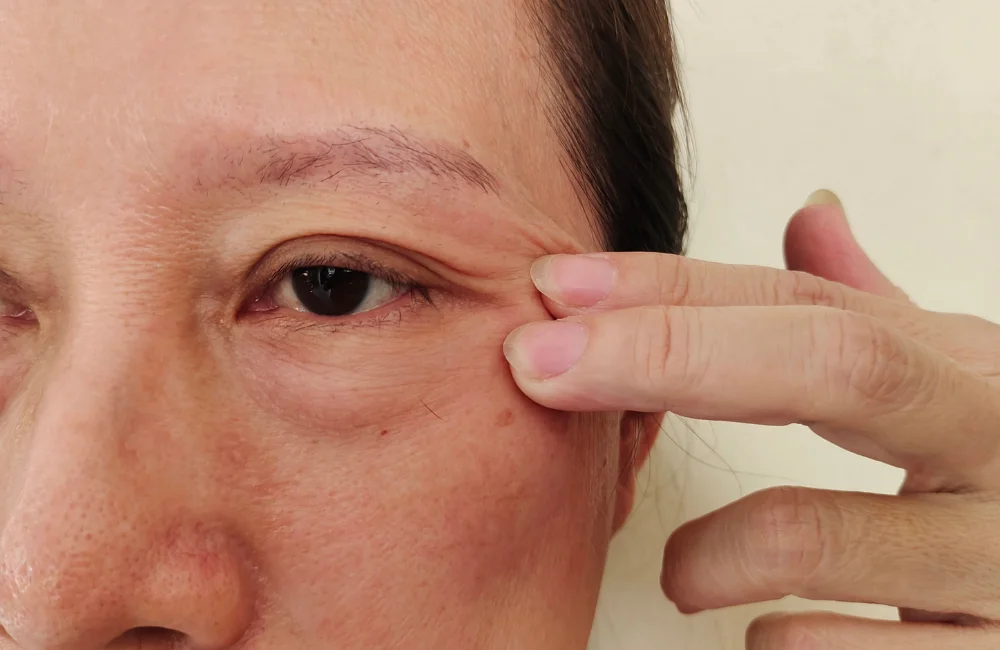
Eye Bag Removal: Your Guide to a Youthful Solution




Puffy, tired-looking eyes can often make you appear older than you feel. Under-eye bags are a common concern, but fortunately, modern cosmetic surgery offers effective and long-lasting solutions. This comprehensive guide will walk you through everything you need to know about removing eye bags, with a focus on lower lid blepharoplasty, a procedure designed to restore a brighter, more refreshed appearance to the lower eyelids. Understanding the causes, techniques, and recovery associated with Lower Lid Blepharoplasty is the first step toward achieving a more youthful look.
What Causes Eye Bags and Under-Eye Puffiness?
Eye bags and puffiness are often a result of several factors that occur as we age or due to genetics:
- Weakening tissues: The tissues and muscles supporting your eyelids weaken over time.
- Fat shifting: Normal fat that cushions the eyeballs can bulge forward, settling into the lower eyelids.
- Fluid retention: Temporary puffiness can be caused by fluid accumulation, often due to a high-salt diet, lack of sleep, or allergies.
- Excess skin: Skin under the eyes loses elasticity, leading to sagging and the appearance of bags.
Fat Protrusion vs Skin Laxity: What is the Difference?
Fat Protrusion (Eye Bags)
- This is when the orbital fat, which surrounds the eye, pushes forward through the membrane, creating a visible "bag" or bulge.
- Lower blepharoplasty techniques focus on removing or repositioning this excess fat.
Skin Laxity (Sagging Skin/ Wrinkles)
- This refers to the loss of skin elasticity, resulting in loose, crepey skin and fine lines under the eye, often associated with the aging process.
- Lower blepharoplasty can address this by carefully removing a small amount of excess skin to create a smoother contour.
Eye Bag Removal Methods
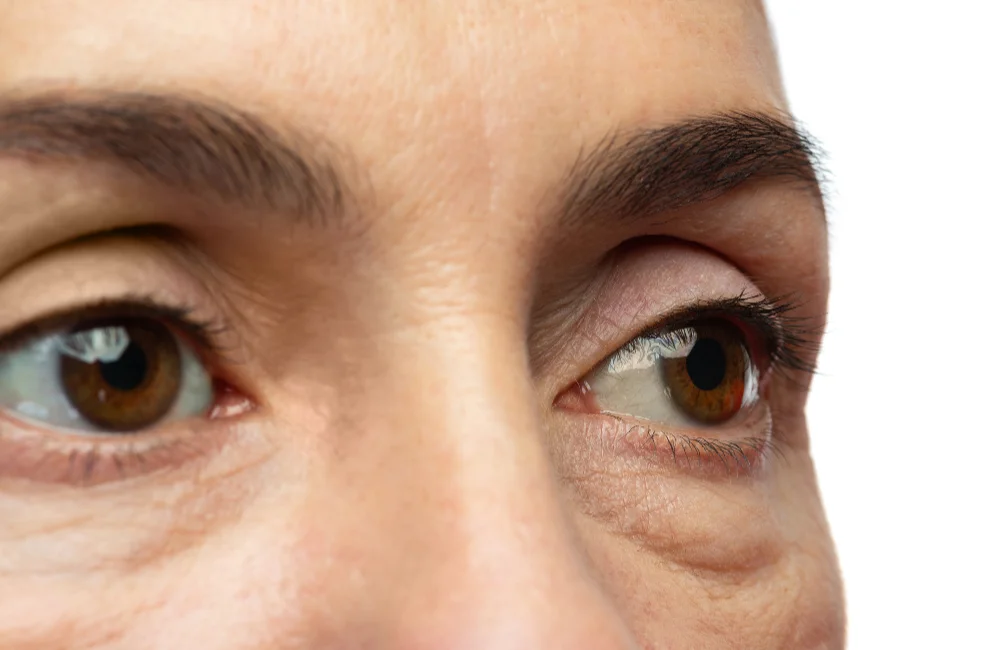
For lasting correction of moderate to severe under-eye bags, a surgical approach is often the most reliable. The key surgical option for this concern is lower blepharoplasty.
Lower Lid Blepharoplasty
Lower blepharoplasty is a highly effective surgical procedure tailored to remove or reshape the fat and skin in the lower eyelid area. The surgery is typically performed using one of two primary methods. The Transconjunctival approach is an internal technique, where the incision is made inside the lower eyelid (conjunctiva). This is often preferred when only fat needs to be removed and there is minimal excess skin, resulting in no visible external scar. The Transcutaneous approach is an external technique, which involves a small incision just below the lower lash line, allowing the surgeon to remove excess fat, tighten muscles, and trim any sagging skin. This is the preferred method for individuals with significant skin laxity and is also used to address issues like a mild droop of the lower eyelid (ectropion), which can make one look like they have sleepy eyes.
Non-Surgical Alternatives for Eye Bags Removal
For minor puffiness or issues mainly related to skin texture, non-surgical options may be considered. Fillers and Laser Therapies can help. Dermal fillers can be strategically placed to smooth the transition between the lower eyelid and the cheek (tear trough), masking the appearance of an eye bag or a sunken eyeball. Laser resurfacing or chemical peels can improve skin tone and texture, addressing fine wrinkles and minor skin laxity, though they do not correct major fat protrusion as a lower blepharoplasty does.
Benefits of Lower Blepharoplasty Surgery
- Achieves a brighter, more rested, and youthful eye appearance.
- Effectively removes or repositions under-eye fat bags for long-term results.
- Corrects wrinkles and fine lines caused by excess, sagging lower eyelid skin.
- In combination with upper eyelid surgery, it can balance the look of eyes that might have been overshadowed by hooded eyes.
Preparation Checklist Before Your Surgery

Proper preparation ensures a smooth procedure and better recovery from your lower blepharoplasty.
- Consult with your doctor, providing a full medical history and details of all medications or supplements you take.
- Avoid smoking and consuming alcohol for at least two weeks before the operation.
- Discontinue blood-thinning medications and supplements as directed by your surgeon.
- Arrange for someone to drive you home after the lower blepharoplasty procedure.
- Plan for time off work to allow for adequate rest and initial healing.
Post-Surgery Care
Following these instructions after your lower blepharoplasty is essential for optimal healing.
- Keep your head elevated while resting and sleeping to help reduce swelling.
- Apply a cool compress around the eyes for the first few days as instructed by your surgeon.
- Take all prescribed oral medications (pain relievers, antibiotics) exactly as directed.
- Keep the incision area clean and use any prescribed ointment.
- Avoid strenuous activity, heavy lifting, and bending over for several weeks.
- Wear sunglasses to protect your healing eyes from sunlight and dust.
- Refrain from wearing contact lenses for 1-2 weeks; use glasses instead.
Recovery Timeline
Recovery from lower blepharoplasty can vary, but generally follows this timeline:
- First 3-5 Days: Most swelling and bruising are evident, but these start to subside. You may experience mild discomfort.
- 7-10 Days: Stitches (if external) are typically removed. Most patients feel comfortable returning to light, non-strenuous work.
- 2-4 Weeks: Major swelling and bruising should have largely resolved. The results of the lower blepharoplasty become more apparent.
- 3-6 Months: Final appearance fully settles as any residual mild swelling disappears and the tissues fully heal.
Risks
As with any surgery, lower blepharoplasty carries potential risks, though rare when performed by an experienced surgeon:
- Temporary dry or watery eyes, or blurred vision.
- Bleeding or infection.
FAQs About Eye Bag Removal Surgery
1. How long does the eye bag removal result last?
The results of a lower blepharoplasty are generally long-lasting and often considered permanent, as the fat is physically removed or repositioned. However, the aging process will continue.
2. Will the scars be visible?
For the Transconjunctival approach, there is no external scar. For the External approach, the scar is discreetly placed just below the lash line and typically fades to be nearly invisible. This is a key advantage of modern lower blepharoplasty techniques.
3. Who needs lower blepharoplasty surgery?
Adults who are generally healthy, do not have serious eye conditions, and are bothered by puffiness, bags, or excess sagging skin under their eyes are typically good candidates for lower blepharoplasty.
Summary
Lower Lid Blepharoplasty offers an effective solution for restoring a refreshed and more youthful contour to the under-eye area by addressing both fat protrusion and skin laxity. Whether you are considering fat removal via an internal approach or need a more comprehensive procedure, a detailed consultation with a specialized surgeon is crucial. Many choose to combine this with procedures like Double Eyelid Surgery to achieve a total eye rejuvenation. If you are considering Lower Lid Blepharoplasty or Eyelid Surgery in Bangkok, at Sky Clinic, we can help you with personalized plans for your unique needs. By choosing Sky Clinic, you are selecting a team dedicated to excellence in aesthetic surgery and patient care. We are committed to helping you achieve a refreshed look that eliminates the appearance of perpetual tiredness.
Source : -