


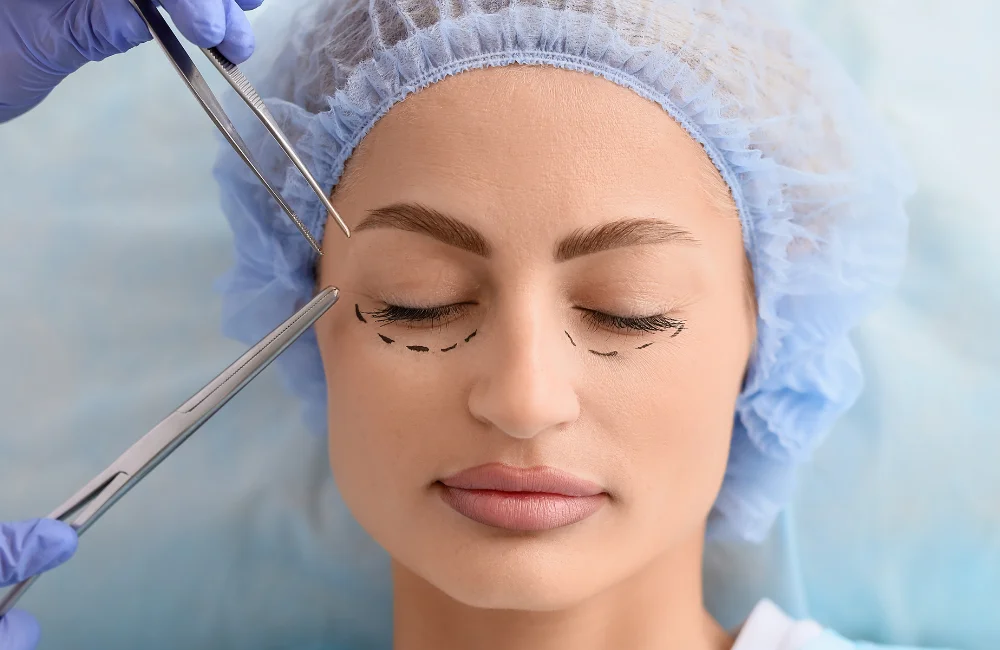
Lower Lid Blepharoplasty: Your Guide to Eye Bag & Puffiness Removal




Tired of looking perpetually fatigued, even after a full night's sleep? Those persistent under-eye bags and puffiness can be frustrating, often making you look older or more worn out than you feel. This is where lower lid blepharoplasty, a highly effective cosmetic procedure designed to rejuvenate the appearance of your lower eyelids, comes in. Often referred to as eye bag removal surgery, lower blepharoplasty addresses the underlying issues of displaced fat and excess skin. We’ll walk you through the techniques, recovery process, and key things you need to know about this popular procedure.
What is Lower Lid Blepharoplasty?
Lower Lid Blepharoplasty is a surgical procedure that improves the appearance of the lower eyelids. It specifically targets fat deposits that create bags or puffiness, as well as excess skin and fine wrinkles below the eye. Unlike surgery for upper eyelids, which can address concerns like a heavy brow or hooded eyes, the goal of lower blepharoplasty is to smooth the transition from the lower eyelid to the cheek, restoring a more youthful and alert contour. By removing or repositioning fat, and sometimes tightening skin, lower blepharoplasty counters the effects of aging and gravity in the delicate under-eye area.
Is Lower Lid Blepharoplasty Right for You?

Lower Lid Blepharoplasty may be suitable for individuals who:
- Have noticeable puffiness or "bags" under their eyes caused by bulging fat.
- Have excess, sagging skin and fine wrinkles on the lower eyelids.
- Are in overall good health and do not have serious, unstable medical conditions.
- Have realistic expectations about the outcome of the surgery.
- Are not experiencing severe dry eye syndrome that is uncontrolled.
Surgical Techniques of Lower Eyelid
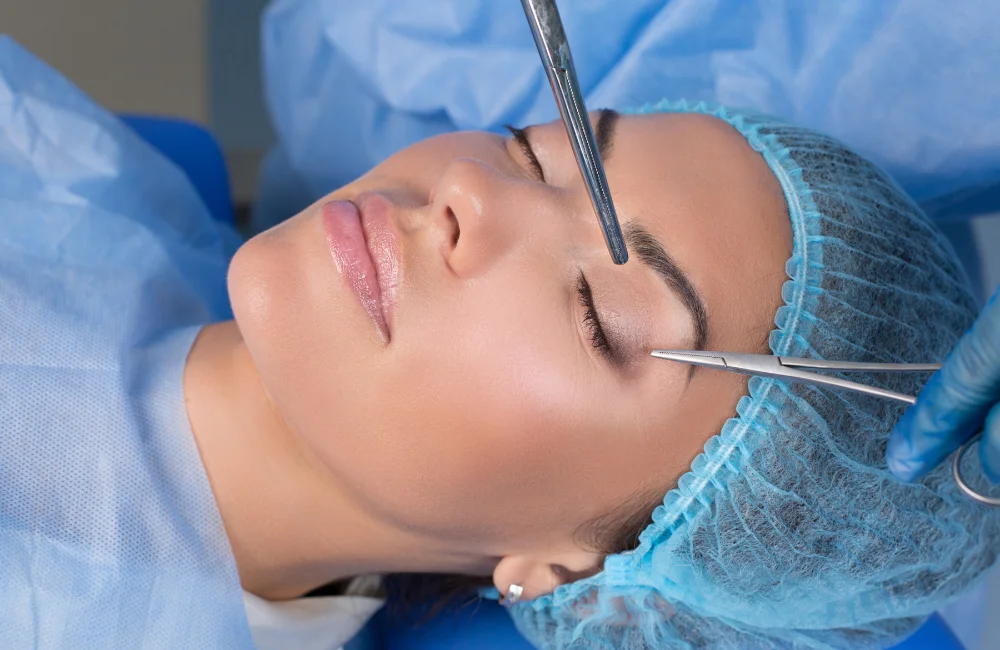
The method chosen for your lower lid blepharoplasty depends on your specific anatomy, particularly whether your primary concern is fat bulging, excess skin, or a combination of both. Your surgeon will carefully assess your needs to select the most effective technique for your desired outcome.
1. The Transconjunctival Approach (Scarless/ Internal Incision)
The transconjunctival approach is often preferred when a patient's main concern is the removal or repositioning of fat, and they have good lower eyelid skin elasticity without significant sagging. The surgeon makes the incision inside the lower eyelid, through the conjunctiva. This technique allows direct access to the fat pads without an external skin incision. A major benefit of this method of lower blepharoplasty is that it is often referred to as "scarless" since the incision is entirely hidden. It is not suitable for individuals with significant excess skin.
2. The Transcutaneous Approach (External Incision)
For patients with both fat bags and moderate to severe excess lower eyelid skin, an external incision is often required. The infraciliary approach involves a careful incision made just below the lower lash line. Through this incision, the surgeon can access and manage the fat, and also precisely remove a conservative amount of excess skin to smooth wrinkles and tighten the area. The incision is closed with fine sutures, and although it is external, the resulting scar from this type of lower blepharoplasty typically heals to be very subtle and is placed to follow the natural creases of the eyelid.
3. Fat Repositioning vs Fat Removal: Which Method is Used?
Historically, lower lid blepharoplasty focused on simply removing excess fat. However, modern techniques often involve a more preservation-based philosophy. Fat repositioning means the surgeon does not just remove the fat; they carefully redistribute it to fill in hollow areas, such as the tear trough or infraorbital hollowing often associated with a sunken eyeball. This technique helps create a smoother, more youthful contour. Fat removal may still be used if there is a significant excess of fat causing prominent bags, but the goal is always to avoid a hollowed-out look.
Risks and Complications
As with any surgery, lower blepharoplasty carries potential risks, including:
- Temporary swelling, bruising, and discomfort
- Dry eyes or excessive tearing (chemosis)
- Infection or bleeding (hematoma)
- Scarring that is more prominent than expected (depends on the technique)
- Injury to the inferior oblique muscle, which can rarely cause temporary double vision (diplopia)
Lower Lid Blepharoplasty Recovery
Recovery from lower lid blepharoplasty is generally manageable. You can expect swelling and bruising to peak around 2-4 days post-surgery, then gradually improve. Applying cold compresses for the first 48 hours is highly recommended to minimize swelling. It is important to keep your head elevated while sleeping for the first few days. Non-absorbable sutures, if used, are typically removed within 7 to 10 days. Most patients can return to non-strenuous daily activities within a week, though strenuous exercise should be avoided for a few weeks. Full healing, where all residual puffiness has resolved, can take a few months.
FAQs About Lower Lid Blepharoplasty
1. How long does Lower Lid Blepharoplasty surgery take?
The procedure typically takes about 40 to 60 minutes.
2. How noticeable are the scars?
Scars are generally very subtle. Internal incisions (transconjunctival) leave no external scar, while external incisions (infraciliary) are placed in the natural crease below the lashes.
3. How long will the scar be gone?
It typically fades significantly and becomes nearly imperceptible within a few months, with full maturation taking 3 to 6 months.
Summary
Lower Lid Blepharoplasty is an effective, customizable procedure to address concerns like under-eye bags, puffiness, and wrinkles, helping to correct the appearance of sleepy eyes. Whether through a scarless internal incision or an external approach combined with skin tightening, this surgery rejuvenates the lower eyelid area. It’s important to choose an experienced surgeon and have a thorough consultation to discuss your aesthetic goals, especially if you have other concerns like Ptosis or are considering a complementary procedure like double eyelid surgery. At Sky Clinic, we emphasize every step, from consultation and surgery to post-operative follow-up, ensuring that patients receive the utmost care until the results are settled and satisfactory. If you are considering lower lid blepharoplasty or eyelid surgery in Bangkok, consult with us.
Source : -