


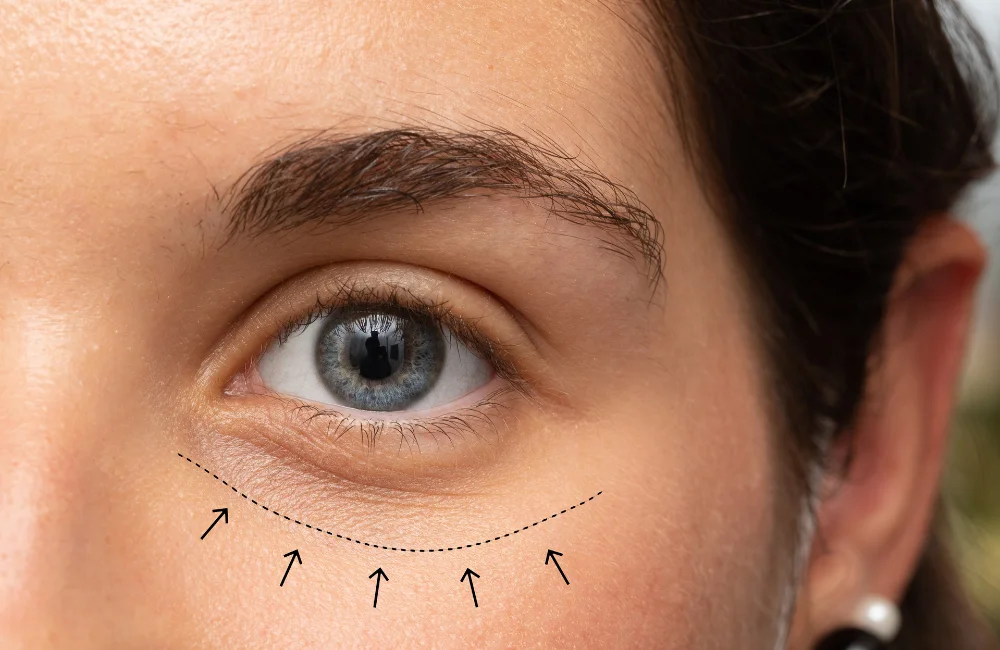
What Causes Swelling Under One Eye and How Can It Be Treated?




Swelling under one eye is a common concern for many people. Unlike Dolly Eyes, which are an aesthetic enhancement designed to create a cute and youthful appearance, swelling or redness under one eye may sometimes indicate an underlying condition that requires attention. What causes swelling under one eye, and what treatment options are available? Let’s explore the possible causes and treatment options.
Symptoms of Swelling Under One Eye
Swelling and redness around one eye are common concerns. Common causes include fluid retention, inflammation, or changes in the tissues beneath the eye. In some cases, these symptoms may be accompanied by itching, burning, or irritation. Treatment for one-sided under-eye swelling depends on the underlying cause and the severity of the symptoms. Mild cases may resolve on their own, while others may require medical treatment. In some cases, one-sided under-eye swelling may indicate an underlying condition that requires prompt medical evaluation.
Is One-Sided Under-Eye Swelling Dangerous?
Swelling and redness around one eye may be warning signs of an underlying condition that requires medical attention, especially when accompanied by symptoms such as eye pain, persistent redness, or vision changes. One-sided under-eye swelling can result from a variety of causes. In some cases, it may be temporary and harmless, while in others it may indicate more serious conditions, including infections or thyroid eye disease. Therefore, if the swelling does not improve or continues to worsen, it is important to seek prompt medical evaluation for an accurate diagnosis and appropriate treatment.
5 Causes of One-Sided Under-Eye Swelling
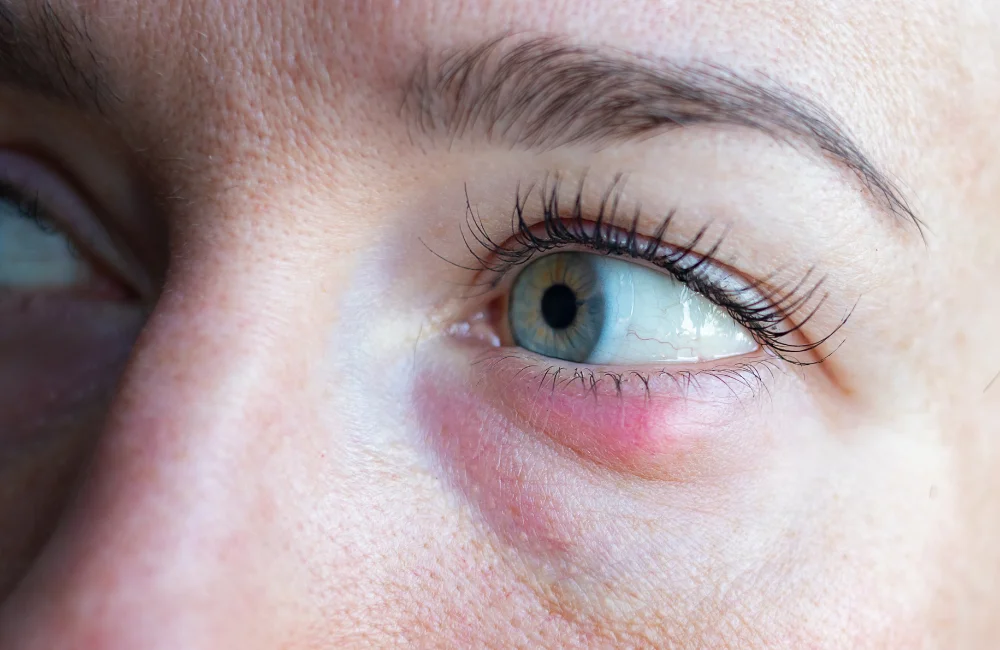
Treatment for one-sided under-eye swelling should begin with identifying the underlying cause, as swelling and redness around one eye can result from a variety of conditions. Different causes may require different treatment approaches. In addition to allergic reactions, one-sided under-eye swelling may be associated with several other factors. The following are five common causes that should be properly evaluated to ensure accurate diagnosis and appropriate treatment.
1. Conjunctivitis
Conjunctivitis (pink eye) is a common cause of one-sided under-eye swelling and is often accompanied by redness and swelling around the affected eye. It occurs when the conjunctiva becomes inflamed due to a viral or bacterial infection. In some cases, it may also be triggered by allergies or environmental irritants. The swelling develops as part of the body's inflammatory response, leading to fluid buildup in the tissues surrounding the eye.
2. Stye
A stye (hordeolum) is a common cause of one-sided under-eye swelling. It occurs when an oil gland in the eyelid becomes blocked and infected, resulting in localized inflammation and swelling. In most cases, treatment begins with warm compresses and proper eyelid hygiene. If the infection progresses, it may cause more pronounced redness and swelling around the affected eye and may require antibiotic treatment.
3. Eye Infection
An eye infection is a significant cause of one-sided under-eye swelling, particularly when bacteria infect the tissues surrounding the eye. The swelling develops as part of the body's immune response to infection, leading to inflammation, swelling, pain, and tenderness. In severe cases, the infection may spread to nearby tissues and lead to serious complications if not treated promptly.
4. Eye Rubbing
Frequent or excessive eye rubbing can cause one-sided under-eye swelling due to repeated irritation and minor trauma to the tissues surrounding the eye. Treatment focuses on avoiding eye rubbing and allowing the affected tissues to heal. In most cases, swelling caused by this habit improves once eye rubbing is discontinued.
5. Thyroid Eye Disease
Thyroid eye disease can cause one-sided under-eye swelling, particularly in individuals with hyperthyroidism. Swelling and redness around one eye may be early signs of this condition. These symptoms occur when thyroid-related changes affect the tissues and muscles surrounding the eyes. Treatment focuses on managing the underlying thyroid disorder and restoring thyroid hormone levels to a healthy range.
How to Treat One-Sided Under-Eye Swelling
When one-sided under-eye swelling occurs, choosing the appropriate treatment method is essential. Treatment options range from self-care measures to medical interventions. Each case of swelling and redness around one eye may require a different treatment approach depending on the underlying cause and severity of symptoms.
How to Treat Under-Eye Bags with Self-Care
Mild one-sided under-eye swelling can often be managed with self-care measures. Initial treatment may include applying a cold compress to help reduce swelling and inflammation, getting adequate rest, and avoiding eye rubbing. If the condition is related to insufficient sleep or excessive salt intake, symptoms may improve with appropriate lifestyle modifications. In addition, staying well hydrated and gently massaging the area around the eyes may also help alleviate puffiness.
Under-Eye Bag Treatment with Aesthetic Procedures
Swelling and redness around one eye that do not improve with self-care may require medical or aesthetic treatments. Depending on the underlying cause, treatment options may include Botox injections, dermal filler injections to improve under-eye hollows, or laser treatments to enhance skin quality and reduce puffiness. In some cases, one-sided under-eye swelling related to changes in the tissues beneath the eye may be effectively managed with these treatments when appropriately recommended by a specialist.
Under-Eye Bag Treatment with Eyelid Surgery
Severe or persistent one-sided under-eye swelling may require surgical treatment, particularly when prominent under-eye fat pads or structural abnormalities are present. Surgery may help remove excess fat, reposition underlying tissues, and tighten excess skin in the under-eye area. In selected cases, surgical treatment can provide long-lasting improvement by directly addressing the underlying structural cause of the swelling.
Summary
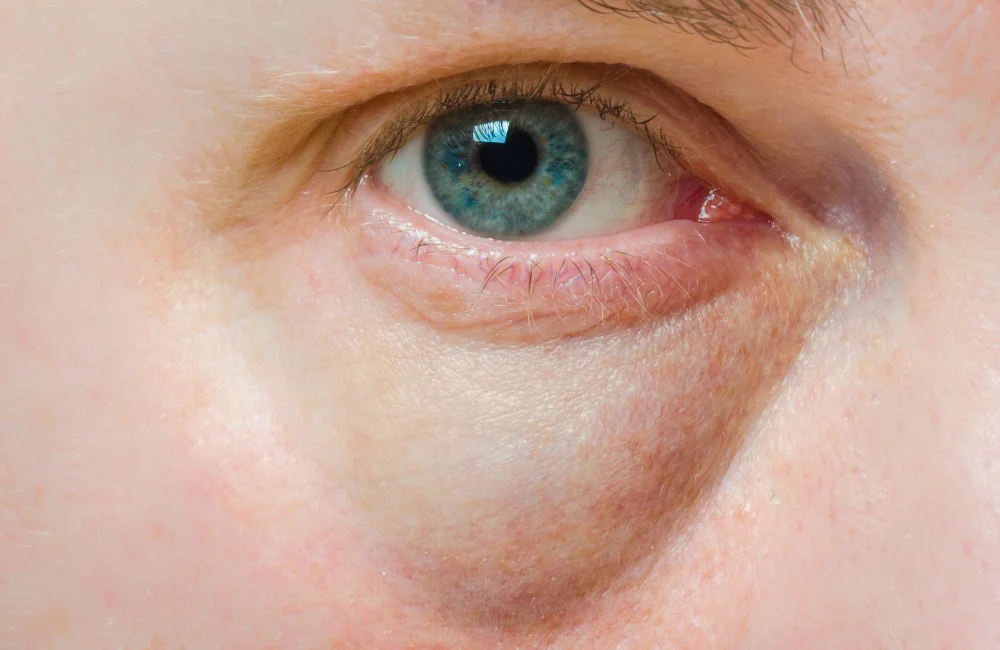
One-sided under-eye swelling can result from a variety of causes, ranging from minor concerns to more serious underlying conditions. Early evaluation and appropriate treatment are very important for achieving the best outcomes. Treatment options range from self-care treatments to surgical procedures. The most appropriate treatment depends on the underlying cause and severity of the symptoms. For those looking for an eyelid surgery clinic to address eye concerns and one-sided under-eye swelling, you can consult the experienced ophthalmologists at Sky Clinic. Our specialists are highly experienced in a wide range of eyelid concerns, including double eyelid surgery for monolids or multiple creases, epicanthoplasty (inner corner eye opening), ptosis correction for dry eye caused by eyelid muscle weakness, droopy eyelid correction, sunken eye correction, subbrow lift surgery, endoscopic brow lift, under-eye fat repositioning, and under-eye bag removal, providing tailored treatment plans for each concern.
Frequently Asked Questions About One-Sided Under-Eye Swelling
Can One-Sided Under-Eye Swelling Go Away on Its Own?
In some cases, one-sided under-eye swelling may resolve on its own, especially when it is related to lack of sleep, crying, or frequent eye rubbing. However, if the symptoms do not improve within 2–3 days, or if it is accompanied by eye pain, redness, or vision changes, prompt medical evaluation is recommended.
Can One-Sided Under-Eye Swelling Be Caused by Allergies?
Yes. Allergies can sometimes cause one-sided under-eye swelling, especially when the affected eye is exposed to an allergen, such as dust, cosmetics, or contact lenses. This may result in localized itching, swelling, and irritation around the affected eye.
Can One-Sided Under-Eye Swelling Come Back?
Yes, swelling under the eyes can recur if the underlying causes or risk factors remain unaddressed, such as frequent eye rubbing, allergies, or lack of sleep. However, adjusting lifestyle modifications combined with appropriate treatment can help minimize the risk of recurrence.
Source : -